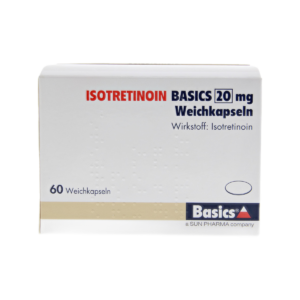
For more than four decades, oral isotretinoin (13-cis-retinoic acid, historically marketed under the brand names Roaccutane and Accutane) has stood as the most clinically effective treatment for severe, recalcitrant acne vulgaris. While all other acne therapies (topical retinoids, benzoyl peroxide, oral antibiotics, and hormonal agents) act as suppressive maintenance treatments that require continuous use, isotretinoin is unique: a single completed course provides long-term remission or permanent cure in roughly 70% to 80% of patients.
However, the extraordinary clinical efficacy of isotretinoin is balanced by one of the most stringent safety and monitoring frameworks in modern pharmacology.
Isotretinoin is a potent human teratogen capable of causing catastrophic congenital malformations, and it induces universal mucocutaneous adverse effects, transient elevations in hepatic transaminases and serum triglycerides, and ongoing scrutiny regarding neuropsychiatric health.
This clinical review examines the cellular mechanisms of sebaceous gland apoptosis, the mathematical rationale of the 120–150 mg/kg cumulative dosing target, mandatory pregnancy prevention programs (such as the US iPLEDGE and UK MHRA Pregnancy Prevention Programmes), laboratory monitoring schedules, and evidence regarding mental health.
Cellular Mechanisms: Sebaceous Gland Apoptosis
Isotretinoin is the 13-cis geometric isomer of all-trans retinoic acid (tretinoin). Although it exhibits relatively low binding affinity for nuclear retinoic acid receptors (RARs) directly, intracellular isomerisation converts it into all-trans retinoic acid:
                  Oral Isotretinoin Ingestion
                               │
                               ▼
        Intracellular Isomerisation (13-cis ──> All-trans)
                               │
                               ▼
           Transcription Factor Activation (FoxO1 & p53)
                               │
         ┌─────────────────────┴─────────────────────┐
         ▼                                           ▼
Sebocyte Cell-Cycle Arrest                 Apoptosis of Sebocytes
• Halts lipid synthesis                    • Programmed cell death
• Downregulates SREBP-1                    • Sebaceous glands shrink by ~90%
• Starves Cutibacterium acnes              • Permanent reset of gland architecture
- Upregulation of FoxO1 and p53: Groundbreaking molecular research published by Melnik and colleagues demonstrated that isotretinoin upregulates the nuclear transcription factors FoxO1 (forkhead box O1) and p53 in sebocytes.
- Programmed Cell Death: FoxO1 and p53 activation downregulates sterol regulatory element-binding protein-1 (SREBP-1), shutting down intracellular lipogenesis, halting the cell cycle, and triggering apoptosis (programmed cell death) in sebocytes.
- Histological Atrophy: Within weeks of initiating therapy, skin punch biopsies reveal that enlarged, hyperactive sebaceous glands undergo marked histological involution, shrinking by up to 90%. Even years after treatment cessation, reconstructed sebaceous glands remain smaller and secrete significantly less sebum than pre-treatment baselines.
Targeting the Four Pillars of Acne Vulgaris
Acne vulgaris develops through four interacting pathophysiological mechanisms. Isotretinoin is unique in that it resolves all four:
| Pathogenic Driver | How Standard Therapies Target It | How Isotretinoin Resolves It |
|---|---|---|
| 1. Hyperseborrhea (Excess Sebum) | Hormonal agents (OCPs, spironolactone) mildly suppress | Decreases sebum secretion by 80%–95% via sebocyte apoptosis |
| 2. Follicular Hyperkeratinisation | Topical retinoids normalize cell shedding | Normalizes ductal infundibular shedding, clearing microcomedones |
| 3. C. acnes Proliferation | Oral/topical antibiotics directly kill bacteria | Starves bacteria by eliminating their obligate lipid food source (sebum) |
| 4. Dermal Inflammation | Anti-inflammatory antibiotics (doxycycline) | Directly suppresses neutrophil chemotaxis and monocyte IL-1β release |
Because Cutibacterium acnes is an anaerobic bacterium that depends entirely on sebum triglycerides for nutrition, wiping out sebum production leads to a rapid, 100-fold to 1,000-fold reduction in cutaneous C. acnes colony counts without exerting selective antibiotic pressure or generating bacterial resistance.
Dosing Paradigms: The 120–150 mg/kg Cumulative Target
In dermatology, the success of an isotretinoin course is determined not by the daily dose, but by the total cumulative dose consumed over the entire duration of therapy:
        Cumulative Dose Calculation:
                                    Total Milligrams Ingested
Total Cumulative Exposure (mg/kg) = ─────────────────────────
                                     Patient Body Weight (kg)
The Evidence Behind the 120–150 mg/kg Threshold:
- In landmark prospective studies by Dr. John Strauss and colleagues, patients who received a cumulative dose below 120 mg/kg experienced a post-treatment relapse rate of 38% to 50%, requiring repeat courses.
- In patients who reached a cumulative dose between 120 mg/kg and 150 mg/kg, the 5-year relapse rate fell to under 15% to 20%.
- Exceeding 150 mg/kg to 220 mg/kg provides modest additional relapse reduction in male patients with severe truncal (back/chest) acne, but significantly elevates the incidence of mucocutaneous and musculoskeletal toxicity.
Practical Dosing Example:
- Patient Weight: 70 kg.
- Target Cumulative Exposure: 140 mg/kg → Total required: 9,800 mg.
- Escalation Schedule:
- Month 1: 30 mg daily (~0.4 mg/kg/day) = 900 mg
- Month 2: 50 mg daily (~0.7 mg/kg/day) = 1,500 mg
- Months 3–6: 60 mg daily (~0.85 mg/kg/day) = 7,200 mg (4 months)
- Total Consumed: 9,600 mg over 6 months (~137 mg/kg reached, meeting the therapeutic window).
Bioavailability Rule: Standard isotretinoin capsules are highly lipophilic and must always be ingested with a substantial, fat-containing meal. Taking isotretinoin on an empty stomach or with a low-fat snack cuts oral bioavailability by more than 50%, inadvertently causing under-dosing and predisposing to relapse.
Teratogenicity and Mandatory Pregnancy Prevention Programs
Isotretinoin is one of the most potent known human teratogens, on par with thalidomide:
The Retinoic Acid Embryopathy Syndrome
Exposure to isotretinoin during the first trimester of pregnancy disrupts cranial neural crest cell migration, causing severe congenital malformations:
- Craniofacial Defects: Microtia (absence or severe deformity of external ears), anotia, micrognathia, cleft palate.
- Cardiovascular Defects: Transposition of the great vessels, tetralogy of Fallot, ventricular septal defects.
- Central Nervous System Malformations: Hydrocephalus, microcephaly, cerebellar hypoplasia, severe intellectual disability.
- Spontaneous Abortion: Occurs in approximately 30% to 50% of exposed pregnancies.
Strict Regulatory Frameworks:
- United States (iPLEDGE): A mandatory online risk management system. Female patients of childbearing potential must register, commit to two concurrent, effective forms of contraception (or complete abstinence), and provide two negative pregnancy tests prior to initiating therapy, followed by monthly supervised negative laboratory pregnancy tests before every 30-day prescription refill.
- United Kingdom & Europe (MHRA / EMA Pregnancy Prevention Programme): Enforces medically supervised monthly negative pregnancy testing, mandatory counseling, maximum 30-day prescription dispensing limits, and a 7-day prescription validity window.
- Washout Period: Because isotretinoin and its primary active metabolite (4-oxo-isotretinoin) have elimination half-lives of approximately 20 to 29 hours, circulating drug is cleared within 5 to 7 days. Regulators mandate waiting at least one full month (30 days) after the final dose before attempting conception.
Laboratory Monitoring: Evidence vs Routine Over-Testing
For decades, dermatologists subjected patients to intensive monthly blood panels. However, large-scale modern meta-analyses have reformed clinical monitoring:
A landmark meta-analysis of 26 studies (over 1,500 patients) published in JAMA Dermatology in 2016 evaluated the frequency of clinically significant laboratory abnormalities during isotretinoin therapy:
- Hepatic Enzymes (ALT / AST): Transient, mild elevations occur in 10% to 15% of patients, but clinically dangerous, severe hepatic injury occurs in less than 0.5%.
- Lipid Panels: Triglycerides rise by an average of 30 to 40 mg/dL, with clinically significant hypertriglyceridaemia (>500 mg/dL) occurring in less than 1.5% of patients.
- Complete Blood Count (CBC): Clinically significant leukopenia or thrombocytopenia was found to be exceptionally rare (<0.1%).
Current Evidence-Based Monitoring Schedule:
- Baseline: Complete Blood Count (CBC), Comprehensive Metabolic Panel (ALT/AST), and Fasting Lipid Panel (Triglycerides, Total Cholesterol).
- At Peak Dose (Month 2 or 3): Recheck liver enzymes and lipid panel once the patient reaches their target daily maintenance dose.
- If Normal: If peak-dose laboratory values remain within acceptable safety thresholds, no further routine blood testing is required for the remainder of the course in asymptomatic, low-risk patients. (Monthly pregnancy tests remain strictly mandatory).
Adverse Reactions: Mucocutaneous, Ophthalmic and Musculoskeletal
Nearly 100% of patients experience dose-dependent adverse effects resulting from the systemic reduction in sebum and mucosal lubrication:
1. Cheilitis (Severe Lip Dryness)
- Universal (occurs in >98% of patients). Its complete absence in a patient suggests non-compliance or poor absorption due to lack of dietary fat intake.
- Managed with frequent application of white petrolatum, lanolin, or medical-grade barrier balms.
2. Xerosis, Epistaxis and Dry Eyes
- Dry nasal mucosa precipitates recurrent minor nosebleeds (epistaxis), managed with intranasal saline gels.
- Meibomian gland dysfunction causes dry eyes. Contact lens wearers frequently need to switch to glasses during therapy.
3. Musculoskeletal Aches and Arthralgia
- Occurs in 15% to 25% of patients, particularly athletes engaging in intensive resistance training or contact sports.
- Characterized by lower back stiffness, joint achiness, and elevated serum creatine kinase (CK). Decreasing exercise intensity and staying well hydrated provides relief.
The Neuropsychiatric Debate: Depression, Suicide and Brain Biology
Few medical controversies have generated more debate than the alleged link between isotretinoin, clinical depression, and suicidal behavior:
- The Regulatory Alert: In the late 1990s and 2000s, case reports and consumer lawsuits led the FDA and MHRA to add black-box warnings regarding depression, psychosis, and suicidal ideation to isotretinoin product labels.
- Biological Hypotheses: In rodent models, high-dose retinoic acid administration was reported to decrease hippocampal neurogenesis and alter central dopaminergic and serotonergic signaling.
- The Modern Epidemiological Consensus: Large-scale population-based cohort studies and systematic meta-analyses encompassing tens of thousands of patients (including a 2017 meta-analysis of 31 studies in the Journal of the American Academy of Dermatology) have reached a contrasting conclusion:
- Severe, disfiguring acne is itself an independent, powerful risk factor for severe depression, social anxiety, and suicidal ideation.
- In the vast majority of patients, successful treatment of acne with isotretinoin produces a statistically significant improvement in mood, self-esteem, and quality of life.
- Clinical Best Practice: While population data show no increased baseline risk of depression relative to untreated acne cohorts, idiosyncratic neuropsychiatric reactions cannot be completely excluded in rare individuals. Prescribing dermatologists must screen for prior mental health conditions, monitor mood at every visit, and discontinue therapy if depressive symptoms emerge.
Frequently Asked Questions
Can I drink alcohol while taking isotretinoin?
Alcohol intake should be strictly limited or completely avoided. Both alcohol and isotretinoin are metabolized by the liver and both elevate serum triglycerides. Combining alcohol with isotretinoin significantly increases the risk of severe hypertriglyceridaemia and acute, drug-induced hepatotoxicity.
Can I get tattoos, piercings or laser hair removal while on Roaccutane?
No. Because isotretinoin alters epidermal wound healing and impairs collagen remodelling, elective procedures that pierce or ablate the dermis carry an elevated risk of atypical hypertrophic scarring, keloid formation, and delayed wound re-epithelialisation. Current clinical guidelines advise waiting at least 6 months post-treatment before undergoing deep ablative laser resurfacing, dermabrasion, or tattoos.
What should I do if my acne flares up dramatically in the first month?
A transient flare (pseudo-exacerbation) occurs in roughly 10% to 15% of patients during weeks 2 to 4 as deep microcomedones are simultaneously expelled. If the flare is severe or cystic (acne fulminans-like), dermatologists frequently reduce the daily dose temporarily and co-prescribe a short, tapering course of oral prednisolone (corticosteroid) to calm inflammatory tissue destruction.
Related reading: Tretinoin vs Retinol: Mechanisms, Conversion and Anti-Ageing Evidence · GHK-Cu Copper Peptide: Evidence for Skin Remodelling and Wound Repair · Finasteride vs Minoxidil: Different Approaches to Hair Loss
Scientific references
- Strauss JS, et al. Isotretinoin therapy for acne: results of a multicenter study of various dose regimens. Journal of the American Academy of Dermatology. 1984;10(3):490-496. PubMed PMID: 6233335
- Melnik BC. Apoptosis May Explain the Pharmacological Mode of Action and Adverse Effects of Isotretinoin, Including Teratogenicity. Acta Dermato-Venereologica. 2017;97(2):173-181. PubMed PMID: 27488970
- Lee YH, et al. Laboratory Monitoring During Isotretinoin Therapy for Acne: A Systematic Review and Meta-analysis. JAMA Dermatology. 2016;152(1):35-44. PubMed PMID: 26630323
- Electronic Medicines Compendium (emc). Roaccutane 10 mg and 20 mg soft capsules: Summary of Product Characteristics (SmPC). UK Medicines and Healthcare products Regulatory Agency (MHRA); Updated 2024.
- Huang YC, Cheng YC. Isotretinoin treatment for acne and risk of depression: A systematic review and meta-analysis. Journal of the American Academy of Dermatology. 2017;76(6):1068-1076. PubMed PMID: 28291553
This article is educational and does not constitute personalised treatment advice. Treatment decisions depend on individual circumstances and professional assessment.