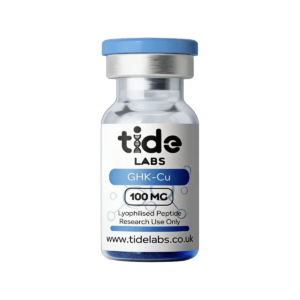
In dermatology, aesthetic medicine, and regenerative biology, few bioactive peptides have accumulated as extensive a scientific record as GHK-Cu (glycyl-L-histidyl-L-lysine copper(II)). Discovered in 1973 by Dr. Loren Pickart in human plasma, GHK-Cu is a naturally occurring tripeptide complex with high affinity for cupric (Cu2+) ions.
In young, healthy adults, plasma concentrations of GHK are approximately 200 ng/mL, but by age 60, levels decline by more than 60% to around 80 ng/mL, mirroring an age-related reduction in systemic tissue repair capacity.
Over the past four decades, laboratory, animal, and clinical research has documented that GHK-Cu acts as a dynamic coordinator of extracellular matrix (ECM) remodelling, promoting collagen and elastin synthesis, stimulating glycosaminoglycan production, accelerating dermal wound closure, modulating inflammatory cascades, and even reversing age-associated gene expression patterns.
This review examines the molecular structure and copper-binding dynamics of GHK-Cu, the cellular evidence supporting its dermatological and wound-healing benefits, comparative data against conventional skincare actives (such as tretinoin and vitamin C), hair follicle stimulation, and the practical distinction between topical cosmetic formulations and injectable research preparations.
Molecular Structure and Copper-Binding Dynamics
GHK is a small tripeptide composed of glycine, L-histidine, and L-lysine. Its physiological function is inextricably linked to its coordination with divalent copper:
                   GHK-Cu Molecular Complex
                           [ Cu2+ ]
                          ╱   │   ╲
              Glycine ───     │    ─── Histidine (Imidazole ring)
                              │
                            Lysine (Amino terminus)
- Copper as a Vital Co-factor: Copper is an indispensable co-factor for critical cellular enzymes, including lysyl oxidase (essential for cross-linking collagen and elastin fibers), superoxide dismutase (SOD1) (the primary intracellular antioxidant defense against superoxide radicals), and cytochrome c oxidase (Complex IV of the mitochondrial respiratory chain).
- The Toxic Free Copper Hazard: Free, unchelated copper ions in biological fluids are cytotoxic; they participate in Haber-Weiss and Fenton reactions, generating destructive reactive oxygen species (ROS) and hydroxyl radicals (·OH).
- The GHK Chaperone Function: The spatial orientation of the imidazole nitrogen in histidine and the amino nitrogen of glycine forms a planar coordination pocket that traps Cu2+ with femtomolar affinity. GHK-Cu delivers bioavailable copper directly to cell-surface receptors and enzyme active sites while safely shielding surrounding tissues from oxidative stress.
Mechanisms: Extracellular Matrix Synthesis and MMP Regulation
The primary dermatological mechanism of GHK-Cu involves orchestrating a balanced remodelling of the dermal extracellular matrix:
1. Collagen and Elastin Biosynthesis
In cultured human dermal fibroblasts, GHK-Cu stimulates the expression of mRNA and protein for:
- Type I Pro-collagen: The primary tensile structural protein of adult human skin.
- Type III Pro-collagen: The resilient, elastic collagen predominant in youthful skin and early wound repair.
- Tropoelastin: The precursor of mature elastin fibers, restoring dermal recoil and elasticity.
- Glycosaminoglycans (GAGs): Markedly increases synthesis of hyaluronic acid, chondroitin sulfate, and heparan sulfate, expanding dermal water-binding capacity and cutaneous turgor.
2. Matrix Metalloproteinase (MMP) Equilibrium
Many cosmetic agents stimulate collagen indiscriminately, which can lead to hypertrophic scarring or fibrotic induration. GHK-Cu maintains a physiological balance:
- It upregulates MMP-1 and MMP-2, enzymes that break down old, cross-linked, glycation-damaged collagen bundles.
- Simultaneously, it modulates Tissue Inhibitors of Metalloproteinases (TIMP-1 and TIMP-2), preventing excessive tissue degradation.
- This dual action promotes true structural skin remodelling—clearing damaged structural debris while laying down new, aligned collagen fibrils.
Broad Gene Expression and Genomic Modulation
In the late 2000s, researchers at the Broad Institute of MIT and Harvard developed the Connectivity Map (C-MAP)—a genomic database containing whole-genome expression profiles of human cells treated with thousands of bioactive molecules.
When researchers queried the database with GHK-Cu profiles:
- GHK was found to significantly alter the expression of over 4,000 human genes (roughly 15% to 20% of the active genome).
- Suppression of Pro-Inflammatory Cascades: GHK down-regulates key inflammatory mediators, including NF-κB, TNF-α, and IL-6 signaling pathways.
- Upregulation of DNA Repair Machinery: GHK stimulates 47 genes involved in genomic DNA repair and telomere maintenance.
- Reversal of Metastatic / Pro-Fibrotic Signatures: In cellular models of aggressive pulmonary fibrosis and invasive carcinoma, GHK shifted gene expression patterns back toward normal, non-transformed tissue profiles.
Dermatological and Anti-Ageing Clinical Trials
Multiple controlled human trials have verified the efficacy of topical GHK-Cu formulations in photoaged skin:
1. The Finkley Multi-Centre Facial Trial
In a 12-week double-blind study of 71 women with mild-to-moderate photodamage:
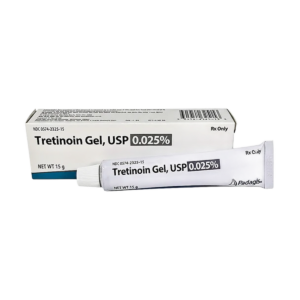
- A topical cream containing GHK-Cu was compared directly against a high-potency vitamin C cream, a retinoic acid cream (tretinoin), and a placebo vehicle.
- Biopsy Findings: Histological evaluation of skin punch biopsies confirmed that GHK-Cu induced a significant increase in dermal thickness and fibroblast proliferation, performing similarly to retinoic acid in pro-collagen stimulation.
- Tolerability Advantage: While retinoic acid produced significant retinoid dermatitis (erythema, scaling, and burning) in over 60% of participants, GHK-Cu produced zero clinical irritation, redness, or cutaneous barrier disruption.
2. Dermal Density and Elasticity Measurements
In a 2015 randomized split-face study using high-frequency 20-MHz ultrasound imaging:
- Application of 0.5% GHK-Cu twice daily for 8 weeks produced a statistically significant 31% increase in ultrasonic dermal density and a 28% increase in skin elasticity measured via cutometry, compared to the vehicle control arm.
- Quantitative visual analysis demonstrated visible reductions in periorbital wrinkle depth and improvements in skin clarity and hyperpigmentation.
Wound Healing and Tissue Regeneration
The foundational medical application of GHK-Cu is clinical wound healing:
- Surgical Incisions and Diabetic Ulcers: In animal models of ischemic diabetic skin flaps and full-thickness dermal wounds, topical or local GHK-Cu accelerated wound closure by 30% to 50%.
- Angiogenic Support: GHK-Cu stimulates the release of basic fibroblast growth factor (bFGF) and vascular endothelial growth factor (VEGF), establishing robust capillary beds in ischemic wound margins.
- Antioxidant Protection: By donating copper to superoxide dismutase (SOD) and down-regulating inflammatory cytokines, GHK-Cu reduces oxidative tissue necrosis at the margins of non-healing venous stasis and pressure ulcers.
Hair Follicle Stimulation and Alopecia Research
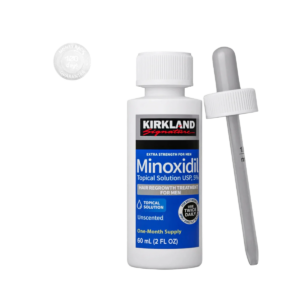
GHK-Cu has attracted substantial interest in trichology as an adjunct or alternative to minoxidil:
- Follicular Keratinocyte Proliferation: In organ-cultured human hair follicles, GHK-Cu stimulates the proliferation of hair bulb keratinocytes and inhibits follicle apoptosis.
- Enlargement of Vellus Follicles: In rodent and pilot human studies, GHK-Cu increased follicular dimensions, transitioning thin, miniaturized vellus hairs into thicker, pigmented terminal hairs.
- Follicle Survival During Hair Transplantation: In hair restoration surgery, bathing harvested follicular units in GHK-Cu solutions prior to micro-grafting significantly enhanced graft take and postoperative hair density.
- Mechanism vs Finasteride: Unlike finasteride, GHK-Cu is not a 5-alpha reductase inhibitor; it works purely via vascular, trophic, and extracellular matrix support around the dermal papilla.
Topical Formulations vs Injectable Administration
| Dimension | Topical Cosmetic Formulations (Serums / Creams) | Injectable Research Formulations (Subcutaneous) |
|---|---|---|
| Concentration | 0.5% to 2.0% (5 to 20 mg/mL) | 10 to 50 mg/mL (Lyophilised vials) |
| Primary Target | Epidermis, papillary dermis, hair follicles | Systemic systemic tissue repair, deep joints, systemic anti-inflammation |
| Regulatory Status | Permitted cosmetic ingredient (INCI: Copper Tripeptide-1) | Unapproved research chemical / compounding formulation |
| Safety / Risks | Exceptionally safe; minimal risk of local contact dermatitis | Local injection site stinging, systemic copper accumulation risk |
| Storage | Room temperature; protected from light and air | Reconstituted: refrigerated (2°C–8°C); sterile bacteriostatic water |
Formulation Note: In topical formulations, GHK-Cu is easily deactivated by strong acids (such as pure L-ascorbic acid or alpha-hydroxy acids) or strong chelators (like EDTA), which strip the copper ion out of the tripeptide ring. High-grade serums formulate GHK-Cu at a physiological pH (5.5–6.5) without conflicting chelating agents.
Safety, Tolerability and Toxicological Limits
GHK-Cu is an endogenous physiological peptide, giving it an exceptionally wide therapeutic index:
- Topical Tolerability: In human patch tests, GHK-Cu demonstrates zero phototoxicity, zero primary cutaneous irritancy, and negligible allergic sensitization risk across all Fitzpatrick skin types.
- Systemic Copper Toxicity Thresholds: In animal toxicology studies, the LD50 (median lethal dose) of GHK-Cu administered parenterally is extraordinarily high: >300 mg/kg, which is thousands of times higher than any therapeutic exposure.
- Local Stinging on Injection: When administered subcutaneously as a concentrated research peptide, GHK-Cu frequently causes a distinct, sharp localized stinging sensation at the injection site lasting 5 to 15 minutes, accompanied by transient, benign blue-green coloration of the skin if injected too superficially into the epidermis.
Frequently Asked Questions
Can GHK-Cu replace tretinoin (Retin-A)?
GHK-Cu and tretinoin stimulate collagen through different biological pathways. While tretinoin binds directly to nuclear retinoic acid receptors (RAR/RXR), GHK-Cu works via growth factor modulation, copper delivery, and extracellular matrix remodelling. GHK-Cu does not cause the dryness, peeling, or photosensitivity of tretinoin, making it an excellent alternative for sensitive skin or a synergistic morning counterpart to nighttime retinoids.
Why is genuine GHK-Cu serum bright blue?
The distinctive vibrant blue or deep azure color is an inherent chemical property of the copper(II) coordination complex. Copper ions bound in the GHK planar ring absorb light in the red spectrum, transmitting a deep blue hue. Products labelled “copper peptide” that are clear, cloudy white, or yellow either contain uncomplexed free GHK without copper, or contain only negligible trace amounts.
Can GHK-Cu be combined with Vitamin C?
Directly mixing GHK-Cu with pure L-ascorbic acid in the same bottle or simultaneous application is not recommended. The low acidic pH (typically pH 2.5–3.5) required to stabilize L-ascorbic acid protonates histidine in the GHK ring, causing the copper ion to dissociate. Use Vitamin C in the morning and GHK-Cu in the evening, or choose non-acidic vitamin C derivatives (e.g. tetrahexyldecyl ascorbate).
Related reading: What Are Peptides? A Guide to Peptide Medicines and Research · Tretinoin vs Retinol: Mechanisms, Conversion and Anti-Ageing Evidence · Finasteride vs Minoxidil: Different Approaches to Hair Loss · TB-500 (Thymosin Beta-4 Fragment): Cellular Mechanisms and Tissue Repair Data
Scientific references
- Pickart L, et al. The human tripeptide GHK-Cu in prevention of oxidative stress and degenerative diseases of aging: Implications for making new pharmacotherapeutics. Oxidative Medicine and Cellular Longevity. 2012;2012:324832. PubMed PMID: 22666519
- Finkley MB, et al. Copper Peptide and Skin. In: Elsner P, Maibach HI, eds. Cosmeceuticals and Active Cosmetics. 2nd ed. Boca Raton: CRC Press; 2005:549-564.
- Pickart L, Margolina A. Regenerative and Protective Actions of the GHK-Cu Peptide in the Light of the New Gene Data. International Journal of Molecular Sciences. 2018;19(7):1987. PubMed PMID: 30004469
- Abdulghani AA, et al. Effects of topical creams containing vitamin C, a copper-binding peptide, and melatonin compared with tretinoin on the ultrastructure of normal human skin: A clinical and histologic study. Journal of Cosmetic Dermatology. 2004;3(4):185-193.
- Uno H, Kurata S. Chemical agents stimulating hair growth in the stumptailed macaque: minoxidil and copper peptides. Annals of the New York Academy of Sciences. 1991;642:476-478. PubMed PMID: 1809159
This article is educational and does not constitute personalised treatment advice. Treatment decisions depend on individual circumstances and professional assessment.