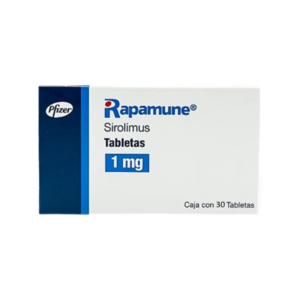
In the scientific search for pharmacological agents capable of extending lifespan and healthspan, rapamycin (also known as sirolimus) occupies a uniquely prominent position. Discovered in 1964 in a soil sample from Easter Island (Rapa Nui) as an antifungal macrolide, rapamycin was subsequently licensed by the US Food and Drug Administration (FDA) and European regulatory bodies as an immunosuppressant to prevent organ rejection in renal transplant recipients and as an antiproliferative coating on coronary stents.
Over the past two decades, geroscience research has revealed that the molecular target of rapamycin—the mechanistic target of rapamycin (mTOR) kinase—is a master regulatory hub of cellular growth, nutrient sensing, and biological ageing.
In the National Institute on Aging (NIA) Interventions Testing Program (ITP), rapamycin became the first and most reproducible pharmacological agent to significantly extend median and maximal lifespan in mammalian models (mice) across diverse genetic backgrounds, even when initiated late in life.
This article reviews the cellular biology of mTORC1 versus mTORC2, preclinical lifespan extension data, emerging human clinical trial results (such as the PEARL trial and Mannick immune rejuvenation studies), off-label intermittent dosing protocols, and meaningful clinical safety risks.
What Is mTOR and How Does It Regulate Ageing?
The mechanistic target of rapamycin (mTOR) is an evolutionarily conserved serine/threonine protein kinase found in all eukaryotic organisms, from yeast to humans. It serves as the primary environmental sensor that coordinates cellular resources:
               Nutrient Abundance (Amino Acids, Glucose, Insulin, IGF-1)
                                            │
                                            ▼
                                     mTORC1 ACTIVATION
                                            │
         ┌──────────────────────────────────┴──────────────────────────────────┐
         ▼                                                                     ▼
Anabolic Growth & Translation                                         Inhibition of Repair
• Ribosomal biogenesis (S6K1)                                         • Autophagy blocked (ULK1)
• Lipid and nucleotide synthesis                                      • Proteostasis declines
• Cellular proliferation                                              • Accumulation of cellular debris
                                                                      • Senescent Secretory Phenotype (SASP)
In youth and during developmental stages, active mTOR signaling is essential for tissue growth, muscular hypertrophy, and cellular proliferation.
However, in post-developmental adulthood, chronic, unchecked hyperactivation of mTOR (fueled by continuous excess caloric intake and sedentary lifestyle) accelerates biological ageing. When mTORC1 is continuously active:
- Autophagy is blocked: Cells cannot clear damaged organelles, dysfunctional mitochondria (mitophagy), or aggregated neurotoxic proteins.
- Cellular senescence accelerates: Cells accumulate genomic damage and enter irreversible growth arrest, secreting pro-inflammatory cytokines known as the senescence-associated secretory phenotype (SASP).
- Stem cell exhaustion occurs: Constant proliferative signaling depletes somatic stem cell reserves.
How Rapamycin Intervenes: Rapamycin binds with high affinity to the intracellular immunophilin FKBP12. The rapamycin-FKBP12 complex then physically slots into the FRB domain of mTORC1, acting as an allosteric inhibitor that dampens downstream kinase signaling, restoring cellular autophagy and proteostasis.
mTORC1 vs mTORC2: The Critical Distinction
mTOR exists in two structurally and functionally distinct multi-protein complexes:
| Characteristic | mTOR Complex 1 (mTORC1) | mTOR Complex 2 (mTORC2) |
|---|---|---|
| Core Components | mTOR, Raptor, mLST8, PRAS40 | mTOR, Rictor, mLST8, mSin1 |
| Primary Regulators | Amino acids, glucose, ATP, insulin, growth factors | Growth factors, PI3K signaling |
| Downstream Targets | S6K1, 4E-BP1, ULK1 | Akt (PKB) Ser473, SGK1, PKC |
| Cellular Function | Protein translation, cell growth, autophagy suppression | Cytoskeletal organization, cell survival, insulin signaling |
| Rapamycin Sensitivity | Directly inhibited acutely (hours) | Insensitive acutely; disrupted after chronic continuous exposure |
| Longevity Role | Downregulation extends lifespan | Downregulation causes insulin resistance & immune suppression |
The Geroscience Dilemma
The central challenge in longevity medicine is that inhibiting mTORC1 is beneficial for lifespan, but disrupting mTORC2 is biologically detrimental.
When organ transplant patients take rapamycin daily at high doses (e.g. 2 mg to 5 mg daily):
- Rapamycin eventually sequesters newly synthesized mTOR molecules away from Rictor, leading to secondary mTORC2 disassembly.
- mTORC2 disruption impairs Akt phosphorylation, which directly inhibits GLUT4 translocation and blocks insulin suppression of hepatic gluconeogenesis.
- Consequently, chronic continuous rapamycin produces a paradoxical state termed “starvation diabetes”: impaired glucose tolerance, elevated fasting blood glucose, and dyslipidemia.
The National Institute on Aging (ITP) Lifespan Data
The Interventions Testing Program (ITP) is a rigorous, tripartite testing network funded by the US National Institute on Aging (NIA), operating simultaneously at three independent laboratories (Jackson Laboratory, University of Michigan, University of Texas Health Science Center). It utilizes genetically heterogeneous, outbred mice (UM-HET3) to ensure results are not strain-specific artifacts.
Key ITP Findings with Rapamycin:
- The 2009 Milestone (Late-Life Initiation): When rapamycin was fed to mice starting at 600 days of age (equivalent to approximately 60 human years), it extended median lifespan by 14% in females and 9% in males (and maximum lifespan in both sexes). This was the first proof that pharmacological intervention initiated in older mammals could extend remaining life expectancy.
- Early Initiation (9 Months of Age): When initiated earlier in adulthood, lifespan extension increased to 23% in females and 26% in males.
- Dose-Response Relationships: Subsequent ITP studies demonstrated that higher concentrations of microencapsulated rapamycin in feed yielded progressively greater lifespan extensions, particularly in male cohorts.
- Disease Attenuation: Necropsies confirmed that rapamycin did not merely delay death from a single form of cancer; it attenuated multiple distinct age-related pathologies, including cardiomyopathy, spontaneous tumours, cognitive decline, and periodontal bone loss.
Human Clinical Evidence: Immune Rejuvenation and the PEARL Trial
While rodent lifespan data are unequivocal, human longevity trials face the challenge that testing “lifespan” requires decades. Researchers instead measure surrogate biomarkers of biological ageing:
1. The Mannick Immune Studies (RAD001 / Everolimus)
In groundbreaking trials published in Science Translational Medicine (2014) and Science Translational Medicine (2018), Mannick and colleagues evaluated whether low-dose mTOR inhibition could reverse immunosenescence (age-related immune decline) in elderly humans (aged 65+):
- Participants received 6 weeks of low-dose mTOR inhibitors (everolimus / RAD001 or a catalytic mTOR inhibitor).
- After a washout period, participants were given an influenza vaccination.
- Results: Elderly participants who received low-dose, intermittent mTOR inhibition demonstrated a >20% increase in antibody titers to the vaccine compared to placebo, alongside a statistically significant reduction in self-reported respiratory tract infections over the subsequent winter season.
- Significance: This proved for the first time in humans that targeting mTOR does not necessarily cause immunosuppression; when administered intermittently at low doses, it can rejuvenate adaptive immune response.
2. The PEARL Trial (Participatory Evaluation of Ageing with Rapamycin for Longevity)
The PEARL trial was the first large-scale, double-blind, randomized, placebo-controlled clinical trial specifically investigating rapamycin in healthy older human adults (ages 50–85) over 48 weeks:
- Evaluated daily (intermittent weekly in higher arms) dosing protocols (5 mg or 10 mg weekly).
- Primary outcomes evaluated changes in body composition (DEXA), functional mobility (grip strength, 400m walk), visceral adiposity, and biological age clocks.
- Preliminary Results: Female participants exhibited significant reductions in visceral adipose tissue and improvements in lean mass preservation; however, changes in functional strength and epigenetic methylation clocks showed modest, variable responses, confirming that translating rodent outcomes to humans requires precise dosing calibration.
The Rationale for Intermittent (Weekly) Dosing
To circumvent the adverse effects of mTORC2 disruption while capturing the benefits of mTORC1 down-regulation, clinical geroscience researchers developed intermittent pulse dosing:
                       Weekly Pulse Dosing Kinetics
Concentration
     ▲
     │  Peak: Robust mTORC1 Inhibition & Autophagy Induction
     │     ▲
     │    ╱ ╲
     │   ╱   ╲
     │  ╱     ╲
     │ ╱       ╲
     │╱         ╲____ Trough: Drug clears / mTORC2 Preserved / Normal Immunity
     └─────────────────────────────────────────────────────────────► Time (Days)
     [Day 1: Dose]   [Days 2-3: Peak]       [Days 4-7: Cleared / Recovery]
- Pharmacokinetics: In humans, the terminal half-life of rapamycin is approximately 60 hours (2.5 days).
- The Weekly Protocol: By administering rapamycin once every 7 days (typically 3 mg to 6 mg), blood concentrations peak sharply within 2 to 4 hours, potently inhibiting mTORC1 and triggering an acute pulse of autophagy.
- The Trough Window: Over the remaining 4 to 5 days of the week, circulating drug levels drop to low or negligible concentrations. This extended trough allows mTORC2 to remain intact, avoids sustained chronic immunosuppression, and preserves normal pancreatic beta-cell insulin secretion.
Adverse Effects, Immunosuppression and Metabolic Risks
Despite its promise, rapamycin is a potent bioactive pharmaceutical. Even under intermittent weekly regimens, patients frequently encounter side effects:
1. Aphthous Stomatitis (Mouth Ulcers)
- The most common adverse effect, occurring in 15% to 30% of individuals on intermittent rapamycin.
- Non-infectious, shallow, painful ulcerations on the buccal mucosa or tongue, typically appearing 24 to 48 hours post-dose. They usually resolve spontaneously over 5 to 7 days, but can require dose reduction or temporary discontinuation.
2. Impaired Wound Healing
- mTORC1 is essential for fibroblast proliferation, collagen deposition, and surgical angiogenesis.
- Rapamycin must be discontinued at least 2 to 3 weeks prior to any planned elective surgery or dental implant procedure, and withheld until surgical incisions are completely epithelialised.
3. Dyslipidemia and Hyperglycaemia
- In a subset of individuals, rapamycin increases circulating triglycerides and LDL-cholesterol (via altered hepatic lipogenesis and reduced lipoprotein lipase clearance). Fasting blood glucose and HbA1c may also rise mildly.
4. Vulnerability to Bacterial Infections
- While low intermittent doses enhance adaptive antiviral vaccine titers, high or frequent dosing inhibits T-cell and macrophage proliferation. Patients with active, chronic, or latent infections (such as tuberculosis, hepatitis B/C, or fungal infections) face elevated reactivation risks.
Regulatory Status and Clinical Reality
- Official Indications: Rapamycin (sirolimus, marketed as Rapamune) is authorized by the US FDA, UK MHRA, and European EMA strictly as a prescription immunosuppressant for the prophylaxis of organ rejection in renal transplantation and for lymphangioleiomyomatosis (LAM).
- Longevity Use Is Completely Off-Label: There is no regulatory approval for rapamycin as an anti-ageing or longevity medicine in any jurisdiction worldwide.
- Prescribing Context: In the US and parts of Europe, private longevity physicians prescribe rapamycin off-label under close medical supervision (serial blood panels monitoring CBC, lipids, fasting glucose, renal and liver function).
- NovaMeds Position: Rapamycin is catalogued as a commercial prescription medicine subject to rigorous medical assessment, but is strictly designated as an unproven compound for healthy lifespan extension.
Frequently Asked Questions
Can rapamycin be purchased over-the-counter?
No. Rapamycin (sirolimus) is a potent, prescription-only medicinal product across all regulated international jurisdictions. It cannot be purchased legally as a dietary supplement or non-prescription medication.
Does rapamycin cause muscle loss?
Because mTORC1 stimulates muscle protein synthesis, researchers initially feared rapamycin would induce sarcopenia. However, in rodent trials and the human PEARL trial, low intermittent weekly dosing did not cause muscle wasting; by reducing chronic systemic inflammation and enhancing mitochondrial quality, it maintained or slightly improved muscle quality. Daily high-dose continuous therapy, however, can impair muscle recovery.
What biomarkers should be monitored if taking rapamycin?
Clinical monitoring protocols require baseline and 3-month follow-up tests including: complete blood count (CBC with differential to rule out leukopenia), comprehensive metabolic panel (liver and renal function), lipid panel (triglycerides, ApoB, LDL-C), fasting insulin and HbA1c, and screening for latent infectious diseases.
Related reading: NAD+ Precursors and Infusions: Cellular Biology, Oral NMN/NR vs IV NAD+ · Metformin for Weight Loss and Insulin Sensitivity: What the Evidence Shows · What Are Peptides? A Guide to Peptide Medicines and Research
Scientific references
- Harrison DE, et al. Rapamycin fed late in life extends lifespan in genetically heterogeneous mice. Nature. 2009;460(7253):392-395. PubMed PMID: 19587680
- Miller RA, et al. Rapamycin, but not resveratrol or curcumin, extends life span in genetically heterogeneous mice. Journals of Gerontology Series A: Biological Sciences and Medical Sciences. 2011;66(2):191-201. PubMed PMID: 20974732
- Mannick JB, et al. mTOR inhibition improves immune function in the elderly. Science Translational Medicine. 2014;6(268):268ra179. PubMed PMID: 25540326
- Mannick JB, et al. TORC1 inhibition enhances immune function and reduces infections in the elderly. Science Translational Medicine. 2018;10(449):eaaq1564. PubMed PMID: 29997249
- Electronic Medicines Compendium (emc). Rapamune 0.5 mg, 1 mg and 2 mg film-coated tablets: Summary of Product Characteristics (SmPC). UK Medicines and Healthcare products Regulatory Agency (MHRA); Updated 2024.
This article is educational and does not constitute personalised treatment advice. Treatment decisions depend on individual circumstances and professional assessment.