- Home
- Weight Management & Metabolism
- Ozempic
Weight Management
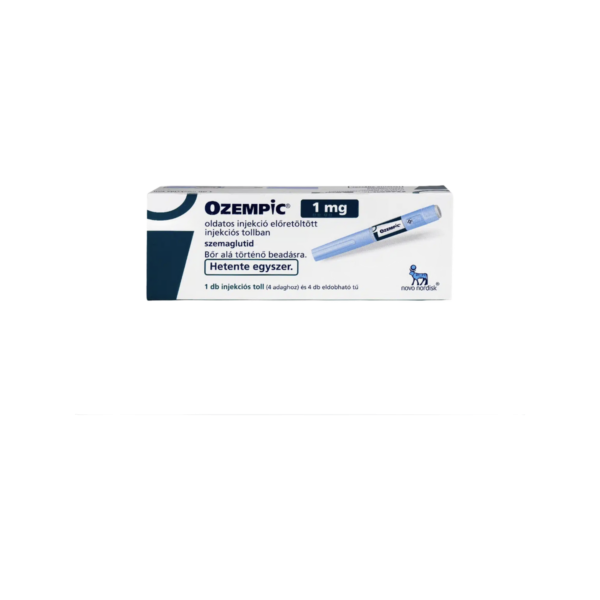
Ozempic
Semaglutide · Solution for injection in pre-filled pen
A once-weekly GLP‑1 receptor agonist injection used for type 2 diabetes, as set out in its product information.
- Partner pharmacy
- Personal assistance
- Discreet delivery
- Active ingredientSemaglutide
- AdministrationSubcutaneous, once weekly
Shipping & Delivery
- Normally dispatched within 24 hours of payment confirmation.
- UPS Express · £12 · Approx. 7–9 business days
- Registered Mail · £8 · Approx. 14–20 business days
For research use only.
Not intended for human or animal consumption, nor for medical, personal or diagnostic use. By purchasing this product, you confirm that you are qualified to handle research materials.
What Ozempic is
Ozempic contains semaglutide, a GLP‑1 receptor agonist given as a once-weekly injection under the skin. It is used for type 2 diabetes.
Suitability and dosing are decided by a prescriber on the basis of the approved product information.
One GLP‑1 receptor, once a week
Semaglutide mimics GLP‑1, a gut hormone released after meals. When blood glucose is raised it increases insulin release and lowers glucagon; it also slows gastric emptying and reduces appetite. Binding to albumin gives it a half-life of about a week, which allows once-weekly dosing.
PancreasMore insulin and less glucagon when glucose is raised.
Gut and brainSlower gastric emptying, less appetite.
In SUSTAIN-6, semaglutide reduced major cardiovascular events compared with placebo in people with type 2 diabetes at high cardiovascular risk.1
Side effects and warnings
The most commonly reported side effects are gastrointestinal:
- Nausea, diarrhoea, vomiting, constipation and abdominal pain, mostly while the dose is being increased
- Low blood sugar when used with insulin or a sulfonylurea
- Worsening of diabetic eye disease in people who already have it, particularly when blood glucose improves quickly
- Very rarely, a condition of the optic nerve (NAION) causing sudden loss of vision has been reported with semaglutide; sudden changes in vision need urgent medical attention.2
ImportantSeek medical help promptly for severe, persistent abdominal pain, which may be a sign of pancreatitis. Not for use during pregnancy. Always read the patient information leaflet.
Product information
Common questions
Do I need a prescription?
Ozempic is a prescription-only medicine. After your request, the partner pharmacy verifies whether and how supply is possible, for example through an existing prescription or an assessment by an independent doctor where permitted.
How is it different from Wegovy?
Both contain semaglutide. Ozempic is authorised for type 2 diabetes; Wegovy is authorised for weight management, at different doses and with its own product information.
Why is the dose increased gradually?
Starting low and increasing step by step helps to reduce gastrointestinal side effects. The schedule is set out in the product information and is decided by the prescriber.
Do I pay when I send a request?
No. Payment is arranged individually with customer service once your request has been reviewed and can proceed.
Sources
- Marso SP, et al. Semaglutide and cardiovascular outcomes in patients with type 2 diabetes (SUSTAIN-6). N Engl J Med. 2016;375:1834–1844.
- MHRA. Semaglutide (Wegovy, Ozempic and Rybelsus): risk of non-arteritic anterior ischaemic optic neuropathy (NAION). Drug Safety Update, 5 February 2026.
- Ozempic: Summary of Product Characteristics. Novo Nordisk.
Related
Weight Management You may also be looking for
-
- Same active ingredient