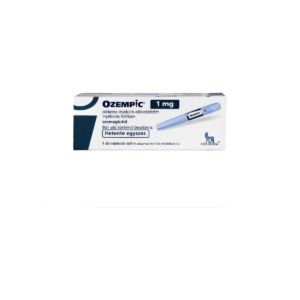
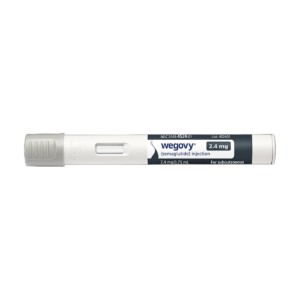
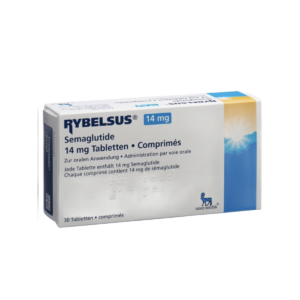
Ozempic and Wegovy contain the same active ingredient, semaglutide, but they are distinct medicinal products with different authorized indications, doses and formulations. They are not two brand names for one interchangeable treatment. Ozempic is authorized for type 2 diabetes. Wegovy is authorized for long-term weight management, at higher doses, and has also been authorized in tablet form.
The details also depend on where you are. Regulators in the United Kingdom and the United States have authorized different uses, doses and formats for both products. “Ozempic for diabetes, Wegovy for weight loss” is a reasonable summary, but it misses most of what distinguishes them.
At a glance
| Ozempic | Wegovy | |
|---|---|---|
| Active ingredient | Semaglutide | Semaglutide |
| Drug class | GLP-1 receptor agonist | GLP-1 receptor agonist |
| Main authorized use | Type 2 diabetes in adults | Weight management in adults, and in adolescents aged 12 and over |
| Administration | Injection under the skin (US: also tablets, as Ozempic tablets) | Injection under the skin, or tablet |
| Dosing frequency | Injection once weekly; US tablets once daily | Injection once weekly; tablet once daily |
| Usual maintenance dose | Injection 0.5 mg, 1 mg or 2 mg; US tablets 4 mg or 9 mg | Varies by formulation and jurisdiction; typically 2.4 mg weekly injection, with other authorized maintenance options, or 25 mg once-daily tablet |
| Tablet authorized? | UK: no (oral semaglutide for diabetes is Rybelsus). US: yes, as Ozempic tablets (type 2 diabetes), alongside Rybelsus | Yes |
| UK position | Type 2 diabetes only | Weight management; cardiovascular risk reduction; MASH (conditional) |
| US position | Type 2 diabetes; cardiovascular risk reduction and kidney protection in type 2 diabetes | Weight management; cardiovascular risk reduction; MASH (accelerated approval) |
MASH: metabolic dysfunction-associated steatohepatitis, an inflammatory form of fatty liver disease. Sources: US prescribing information for Ozempic (revised May 2026) and Wegovy (revised June 2026); UK Summaries of Product Characteristics on the electronic medicines compendium (Ozempic, updated July 2026; Wegovy injection, September 2026; Wegovy tablets, June 2026).
One molecule, two medicines
Semaglutide is a modified form of glucagon-like peptide-1 (GLP-1), a gut hormone released after eating. By activating the GLP-1 receptor it:
- increases insulin release when blood glucose is raised;
- lowers glucagon;
- slows stomach emptying;
- acts on brain regions involved in appetite.
A fatty-acid side chain binds it to albumin in the blood, so a single dose lasts about a week.
What separates Ozempic from Wegovy is the product built around the molecule. An authorization covers particular uses in particular people, supported by particular trials. Ozempic rests on the SUSTAIN program in type 2 diabetes. Wegovy rests on the STEP program in obesity and overweight, followed by outcome trials such as SELECT. Tirzepatide follows a similar pattern, as Mounjaro and, in the US, Zepbound. See Mounjaro vs Zepbound.
For the receptor biology and a comparison with tirzepatide, see GLP-1 vs GIP and Semaglutide vs Tirzepatide.
What Ozempic is authorized for
In both countries Ozempic is authorized to improve blood glucose control in adults with type 2 diabetes, alongside diet and exercise. Treatment starts at 0.25 mg weekly for four weeks, a dose for getting used to the medicine rather than for treatment. It then rises in steps to a maintenance dose of 0.5 mg, 1 mg or 2 mg.
Beyond that, the two licences differ.
United States. The FDA label adds two further indications:
- Cardiovascular: reducing major adverse cardiovascular events (cardiovascular death, non-fatal heart attack or non-fatal stroke) in adults with type 2 diabetes and established cardiovascular disease. It is based on SUSTAIN-6, where the hazard ratio was 0.74 (95% CI 0.58–0.95) versus placebo.
- Kidney: added in January 2025, reducing the risk of sustained decline in kidney function, end-stage kidney disease and cardiovascular death in adults with type 2 diabetes and chronic kidney disease. It is based on FLOW, which randomized 3,533 people to semaglutide 1 mg or placebo for a median of 41 months. The hazard ratio for the combined kidney and cardiovascular outcome was 0.76 (95% CI 0.66–0.88).
United Kingdom. The UK Summary of Product Characteristics authorizes Ozempic for type 2 diabetes only. SUSTAIN-6 and FLOW are described in its section on pharmacological properties. They inform prescribers, but they are not authorized indications.
The difference is regulatory: the same clinical evidence may be reflected differently in a product’s authorized indications and prescribing information. It still matters: in the UK, cardiovascular and kidney protection are trial findings described in the product information, not uses Ozempic is licensed for.
What Wegovy is authorized for
Wegovy’s founding indication is long-term weight management, alongside a reduced-calorie diet and increased physical activity. In both countries this covers:
- adults with obesity (BMI of 30 kg/m² or more);
- adults with overweight (BMI 27 to under 30) and at least one weight-related condition;
- adolescents aged 12 and over with obesity (in the UK, also weighing more than 60 kg).
The core evidence comes from the STEP trials. In STEP 1, adults without diabetes lost an average of 14.9% of body weight over 68 weeks with semaglutide 2.4 mg, against 2.4% with placebo. In STEP 2, in people with type 2 diabetes, the figures were 9.6% and 3.4%. Both results are as reported in the US prescribing information.
Two further indications have followed. The Wegovy injection has gained cardiovascular risk reduction and MASH indications in both countries. In the US, cardiovascular risk reduction is also part of the tablet’s authorized indications; see “Pens and tablets” below.
Cardiovascular risk reduction. SELECT enrolled 17,604 adults with established cardiovascular disease and overweight or obesity, but without diabetes. Over a median of about 42 months, major adverse cardiovascular events occurred in 6.5% of people on semaglutide 2.4 mg and 8.0% on placebo (hazard ratio 0.80, 95% CI 0.72–0.90). The FDA added this indication in 2024, and the MHRA in July 2024.
MASH with moderate to advanced liver fibrosis. In the 72-week analysis of ESSENCE:
- steatohepatitis resolved without worsening fibrosis in 63% of people on semaglutide and 34% on placebo;
- fibrosis improved in 37% and 22% respectively.
These are changes seen on liver biopsy, not yet evidence of fewer cases of cirrhosis or deaths. The FDA therefore granted accelerated approval in August 2025, and the MHRA a conditional marketing authorization in July 2026. Both depend on confirmatory results from the continuing trial.
Why the doses differ
Dose is the clearest practical difference. Ozempic’s highest maintenance dose is 2 mg weekly. Wegovy’s standard maintenance dose is 2.4 mg, and a 7.2 mg dose is now authorized for some adults.
STEP 2 compared the two approaches directly in people with type 2 diabetes. The weight-management dose of 2.4 mg produced more weight loss than the 1 mg diabetes dose, and both did better than placebo. The trial’s registry results give observed mean changes at 68 weeks of −9.9% with 2.4 mg and −7.2% with 1 mg. Weight reduction kept increasing above the doses used for glucose control, and the weight-management program was built around that.
Wegovy 7.2 mg
This higher dose is for adults who have taken 2.4 mg for at least four weeks and need further weight reduction. The two regulators define it differently.
- United Kingdom. The MHRA authorized it on 6 January 2026, for adults with obesity (BMI of 30 or more) only.
- It does not apply to people with overweight, to adolescents, or to treatment for cardiovascular risk reduction.
- At first, the dose was given as three 2.4 mg injections on the same day. A single-dose 7.2 mg pen was authorized on 14 April 2026.
- United States. The FDA approved it on 19 March 2026 as a single-dose pen, marketed as Wegovy HD. The label places it within the adult weight-reduction indication, for use when further weight loss is clinically indicated.
The main evidence is STEP UP, a 72-week trial in adults with obesity without diabetes. In the intention-to-treat analysis in the US prescribing information, average weight change was:
- −18.8% with 7.2 mg;
- −15.5% with 2.4 mg;
- −3.9% with placebo.
Higher figures, around 21%, have appeared in company and media reports. They come from an analysis limited to people who stayed on treatment as planned, which answers a different question from the intention-to-treat analysis.
The higher dose also brought a new side effect. Dysaesthesia, altered or unpleasant skin sensations, was reported by 22% of people on 7.2 mg, 6% on 2.4 mg and 0.3% on placebo (US prescribing information). Most cases resolved, some after the dose was reduced.
For a comparison with an older weight-management GLP-1 medicine, see Wegovy vs Saxenda.
Pens and tablets
Both products are weekly injections, but the devices differ and change over time.
- Ozempic: multi-dose pens, each delivering several weekly doses.
- Wegovy in the UK: long supplied as a multi-dose FlexTouch pen.
- Wegovy in the US: mainly single-dose pens, with a multi-dose FlexTouch pen added in 2026.
The leaflet supplied with the medicine is the reliable reference for the presentation in use.
Wegovy is also authorized as a once-daily tablet. The dose rises in monthly steps from 1.5 mg to 4 mg and 9 mg, then to a 25 mg maintenance dose. The FDA approved it in December 2025 and the MHRA on 11 June 2026. The two countries authorize the tablet for different things:
- US: both weight management and cardiovascular risk reduction.
- UK: weight management only. The cardiovascular data are described in the product information, not authorized as an indication.
Absorption through the stomach is limited. The tablet must be taken on an empty stomach with a small amount of water, and nothing else should be eaten, drunk or taken by mouth for at least 30 minutes.
Semaglutide tablets for type 2 diabetes already existed as Rybelsus. It is a separate product with its own doses and is not interchangeable with Wegovy tablets. Oral vs Injectable Semaglutide
Can Ozempic be used for weight loss?
Ozempic is not authorized for weight management in the UK or the US. People taking it for diabetes often lose weight, but its trials and doses were designed for glucose control. Prescribing it for weight loss would be off-label use, a decision for a prescriber within the rules of the relevant health system.
During the supply shortages of 2023 and 2024, UK health authorities told prescribers to reserve Ozempic for its licensed use in type 2 diabetes. The MHRA also warned about falsified pens sold outside the regulated supply chain. In the US, the FDA declared the semaglutide injection shortage resolved in February 2025.
Can one replace the other?
Not freely. Although the molecule is the same, the doses, devices, instructions and authorized uses differ. The US prescribing information advises against using Wegovy alongside any other semaglutide-containing product or GLP-1 receptor agonist. Any change is a prescribing decision.
Safety
Because the active ingredient is the same, the two products share a broadly similar safety profile. The most common side effects are gastrointestinal: nausea, diarrhea, vomiting, constipation and abdominal pain. They are most frequent while the dose is being increased, which is why treatment starts low.
Less common but important risks include pancreatitis and gallbladder disease. There is also a risk of low blood sugar when semaglutide is combined with insulin or sulfonylureas. Because it slows stomach emptying, anesthetists need to know about treatment before sedation or surgery.
Two differences between the countries are worth knowing.
Thyroid tumours (US). The US labels carry a boxed warning, the FDA’s most prominent form of warning, because semaglutide caused thyroid C-cell tumours in rodents. They contraindicate use in people with a personal or family history of medullary thyroid carcinoma or multiple endocrine neoplasia type 2. Whether the rodent findings apply to humans has not been established. The UK product information has no equivalent warning or contraindication.
Optic neuropathy (UK). In February 2026 the MHRA advised that semaglutide is associated, very rarely, with non-arteritic anterior ischemic optic neuropathy (NAION). This condition damages the optic nerve and can cause sudden loss of vision in one eye. The UK product information puts the excess risk at approximately one additional case per 10,000 person-years. Anyone on semaglutide who notices sudden loss of vision should seek urgent eye assessment.
Semaglutide should not be used during pregnancy. It remains in the body for weeks, so the product information advises stopping it at least two months before a planned pregnancy.
The full list of side effects, precautions and interactions is in the patient leaflet. Questions about individual risk are for a doctor or pharmacist.
Frequently asked questions
Is Ozempic the same as Wegovy?
They share an active ingredient but are different medicinal products, with different authorized uses, doses and formulations.
Is Wegovy stronger than Ozempic?
The molecule is the same. Wegovy is used at higher maintenance doses (2.4 mg, and up to 7.2 mg for some adults) than Ozempic (up to 2 mg), and in trials higher doses produced greater average weight loss.
Can people with type 2 diabetes use Wegovy?
Wegovy’s weight-management indication includes adults with type 2 diabetes who meet the BMI criteria, the group studied in STEP 2. It is not authorized as a treatment for diabetes itself.
Why does Ozempic have heart and kidney indications in the US but not in the UK?
The FDA has approved them as separate indications. The UK product information describes the same trials, SUSTAIN-6 and FLOW, without authorizing them as uses.
Who is Wegovy 7.2 mg for?
It is for adults who have taken 2.4 mg for at least four weeks and need further weight reduction. In the UK it is limited to adults with obesity (BMI of 30 or more). It is not authorized for adolescents or for cardiovascular risk reduction.
Is the Wegovy tablet the same as Rybelsus?
No. Both contain semaglutide, but they are separate products with different doses and authorized uses.
Is Wegovy available on the NHS?
NICE recommends Wegovy injection for some adults with obesity within specialist weight management services, for up to two years, subject to BMI and other criteria. When the MHRA authorized the tablet, it was not available on the NHS pending a NICE appraisal. Access depends on local services.
In summary
Ozempic is a type 2 diabetes medicine used at up to 2 mg a week. In the US, its label also covers cardiovascular and kidney protection in people with diabetes. Wegovy is a weight-management medicine used at higher doses. It has since gained a cardiovascular indication, a MASH indication subject to confirmation, a 7.2 mg dose and a tablet, and each is defined differently in the UK and the US. Which product and dose suit any individual is a clinical decision.
Related reading: Semaglutide vs Tirzepatide · Oral vs Injectable Semaglutide · Wegovy vs Saxenda · What Happens When Stopping GLP-1 Medicines? Evidence on Weight Regain
Sources and further reading
- US Food and Drug Administration. OZEMPIC (semaglutide) injection — Prescribing Information, revised May 2026 (NDA 209637). Drugs@FDA. Source of the SUSTAIN-6 and FLOW figures.
- US Food and Drug Administration. WEGOVY (semaglutide) injection and tablets — Prescribing Information, revised June 2026 (NDA 215256; tablets NDA 218316). Drugs@FDA. Source of the STEP 1, STEP 2, SELECT, ESSENCE (Study 11) and STEP UP (Study 8) figures and of the dysaesthesia data.
- US Food and Drug Administration. Drugs@FDA approval histories: NDA 209637 (Ozempic; new indication approved 28 January 2025) and NDA 215256 (Wegovy; new dosing regimen, 7.2 mg, approved 19 March 2026).
- Novo Nordisk Limited. Ozempic solution for injection in pre-filled pen — Summary of Product Characteristics. electronic medicines compendium (emc), updated 28 July 2026.
- Novo Nordisk Limited. Wegovy FlexTouch solution for injection in pre-filled pen — Summary of Product Characteristics. emc, revised 22 September 2026.
- Novo Nordisk Limited. Wegovy tablets — Summary of Product Characteristics. emc, revised 16 June 2026.
- MHRA / GOV.UK. MHRA approves GLP-1 receptor agonist semaglutide to reduce risk of serious heart problems in obese or overweight adults. 23 July 2024.
- MHRA / GOV.UK. Medicines regulator approves up to 7.2 mg dose of semaglutide (Wegovy) for patients with obesity only. Published 16 January 2026 (approval 6 January 2026).
- MHRA / GOV.UK. Single-dose 7.2 mg semaglutide (Wegovy) pen approved to treat adult patients with obesity. 14 April 2026.
- MHRA / GOV.UK. First GLP-1 tablet for weight loss approved in the UK. 11 June 2026.
- MHRA / GOV.UK. Semaglutide (Wegovy) approved to treat form of liver disease. 3 July 2026.
- MHRA. Drug Safety Update: Semaglutide (Wegovy, Ozempic and Rybelsus): risk of non-arteritic anterior ischemic optic neuropathy (NAION). 5 February 2026.
- MHRA. Drug Safety Update: Ozempic (semaglutide) and Saxenda (liraglutide): vigilance required due to potentially harmful falsified products.
- US Food and Drug Administration. Declaratory order: resolution of shortages of semaglutide injection products. February 2025.
- Marso SP, et al. Semaglutide and cardiovascular outcomes in patients with type 2 diabetes (SUSTAIN-6). N Engl J Med. 2016;375(19):1834–1844. doi:10.1056/NEJMoa1607141
- Perkovic V, et al. Effects of semaglutide on chronic kidney disease in patients with type 2 diabetes (FLOW). N Engl J Med. 2024;391(2):109–121. doi:10.1056/NEJMoa2403347
- Wilding JPH, et al. Once-weekly semaglutide in adults with overweight or obesity (STEP 1). N Engl J Med. 2021;384(11):989–1002. doi:10.1056/NEJMoa2032183
- Davies M, et al. Semaglutide 2·4 mg once a week in adults with overweight or obesity, and type 2 diabetes (STEP 2): a randomized, double-blind, double-dummy, placebo-controlled, phase 3 trial. Lancet. 2021;397(10278):971–984. doi:10.1016/S0140-6736(21)00213-0
- ClinicalTrials.gov. NCT03552757 (STEP 2), posted results: percentage change in body weight, semaglutide 2.4 mg versus 1.0 mg. Source of the observed means quoted in “Why the doses differ”.
- Lincoff AM, et al. Semaglutide and cardiovascular outcomes in obesity without diabetes (SELECT). N Engl J Med. 2023;389(24):2221–2232. doi:10.1056/NEJMoa2307563
- Sanyal AJ, et al. Phase 3 trial of semaglutide in metabolic dysfunction-associated steatohepatitis (ESSENCE). N Engl J Med. 2025;392(21):2089–2099. doi:10.1056/NEJMoa2413258
- Wharton S, et al. Once-weekly semaglutide 7·2 mg in adults with obesity (STEP UP): a randomized, controlled, phase 3b trial. Lancet Diabetes Endocrinol. 2025;13(11):949–963. doi:10.1016/S2213-8587(25)00226-8
- National Institute for Health and Care Excellence. Semaglutide for managing overweight and obesity. Technology appraisal guidance TA875. 2023.
This article is educational and does not constitute personalized treatment advice. Treatment decisions depend on individual circumstances and professional assessment.