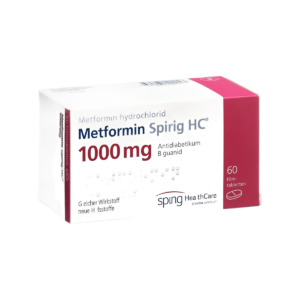
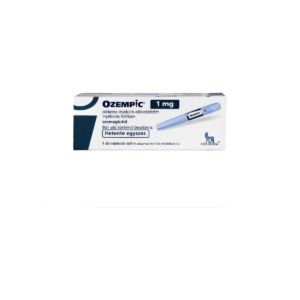
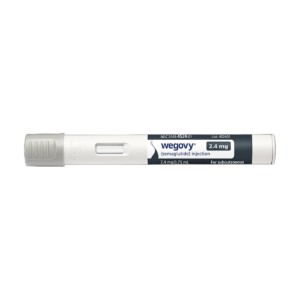
Metformin (dimethylbiguanide) is the most widely prescribed oral anti-hyperglycemic agent in the world, serving as the pharmacological cornerstone of type 2 diabetes management for more than six decades. Derived originally from the French lilac (Galega officinalis), metformin is prized for its high efficacy, exceptional cardiovascular safety profile, absence of hypoglycemia when used as monotherapy, and negligible generic cost.
Beyond glycemic control, metformin has attracted significant attention as an off-label agent for weight loss and metabolic health in individuals with prediabetes, insulin resistance, polycystic ovary syndrome (PCOS), and antipsychotic-induced weight gain.
However, widespread social media discussions comparing metformin to modern GLP-1 receptor agonists (such as Ozempic and Wegovy) have created unrealistic expectations. This article evaluates what primary scientific literature—including the landmark Diabetes Prevention Program (DPP) and long-term follow-up studies—actually proves regarding metformin’s mechanism of action, magnitude of weight reduction, tolerability, and clinical indications.
Mechanisms: How Metformin Influences Weight and Metabolism
Metformin is not an appetite suppressant in the classic sympathomimetic sense. It acts through interconnected cellular, hepatic, endocrine, and gastrointestinal pathways:
                      Metformin Ingestion
                               │
       ┌───────────────────────┼───────────────────────┐
       ▼                       ▼                       ▼
Mitochondrial Action      Gut Microbiome & Peptides    Hepatic Energy State
• Inhibits Complex I      • Alters microbial taxa      • Suppresses gluconeogenesis
• Alters AMP/ATP ratio    • Stimulates L-cell GLP-1    • Lowers circulating insulin
• Activates AMPK enzyme   • Elevates GDF15 secretion   • Reverses lipogenesis
1. Mitochondrial Complex I and AMPK Activation
At the cellular level, metformin accumulates in the mitochondrial matrix, mildly inhibiting mitochondrial respiratory chain complex I. This mild suppression reduces ATP production and increases the intracellular ratio of AMP to ATP.
The elevated AMP/ATP ratio activates AMP-activated protein kinase (AMPK)—the master energy-sensing enzyme of the cell. AMPK activation switches off energy-consuming anabolic processes (such as fatty acid synthesis and gluconeogenesis) and switches on catabolic ATP-generating processes (such as fatty acid oxidation and cellular glucose uptake).
2. Hepatic Gluconeogenesis Suppression
In the liver, metformin reduces the transcription of key gluconeogenic enzymes (glucose-6-phosphatase and phosphoenolpyruvate carboxykinase). By blunting excessive nocturnal hepatic glucose output, it lowers basal blood glucose, leading to a secondary reduction in circulating fasting insulin levels. Because hyperinsulinemia acts as a physiological clamp on lipolysis, lowering insulin facilitates the mobilization and burning of stored fatty acids.
3. GDF15 and Endogenous GLP-1 Stimulation
Groundbreaking research published in Nature Metabolism (2020) demonstrated that metformin directly triggers the synthesis and secretion of growth differentiation factor 15 (GDF15) from the gut and kidneys.
- GDF15 crosses the blood-brain barrier and binds specifically to the GFRAL receptor in the hindbrain (area postrema and nucleus of the solitary tract).
- GFRAL activation reduces food intake, particularly curbing cravings for energy-dense, high-fat foods.
- Furthermore, metformin delays intestinal glucose absorption, shifting glucose into the distal ileum where it directly stimulates L-cells to release endogenous GLP-1 and PYY.
Clinical Trial Evidence: The Diabetes Prevention Program (DPP)
The most rigorous, long-term evidence evaluating metformin for weight and metabolic health comes from the landmark Diabetes Prevention Program (DPP) and its long-term follow-up study (DPPOS), sponsored by the US National Institutes of Health (NIH).
The initial trial randomized 3,234 adults with overweight or obesity and impaired glucose tolerance (prediabetes) to:
- Intensive Lifestyle Intervention (ILI): 7% weight loss target and ≥150 minutes/week physical activity.
- Metformin: 850 mg twice daily plus standard lifestyle advice.
- Placebo: Twice daily plus standard lifestyle advice.
| Outcome Parameter | Intensive Lifestyle | Metformin (850 mg bid) | Placebo |
|---|---|---|---|
| Mean Weight Loss at Year 1 | -6.8 kg (-7.0%) | -2.1 kg (-2.1%) | -0.1 kg (-0.1%) |
| Mean Weight Loss at Year 2 | -4.3 kg | -2.5 kg | -0.1 kg |
| Reduction in Diabetes Incidence | -58% | -31% | Reference |
| Weight Loss at 15-Year Follow-up | -2.0% | -2.5% | -0.2% |
Key Clinical Insights from DPP:
- Long-Term Sustainability: While participants in the lifestyle group experienced significant weight regain after Year 1, participants in the metformin group demonstrated steady, persistent weight maintenance over the entire 15-year observation period.
- Predictive Correlates: In subgroup analyses, metformin produced the greatest weight loss and diabetes risk reduction in individuals aged 25 to 44 years, those with higher baseline fasting plasma glucose (≥110 mg/dL), and those with higher baseline BMI (≥35 kg/m²).
Metformin in Non-Diabetic Obesity and PCOS
Beyond prediabetes, clinical evidence supports metformin in specific non-diabetic metabolic contexts:
1. Polycystic Ovary Syndrome (PCOS)
Insulin resistance is central to PCOS pathophysiology, driving excessive ovarian theca cell androgen production.
- Clinical trials confirm that metformin (1500–2000 mg daily) improves insulin sensitivity, lowers circulating free testosterone, restores regular ovulatory menstrual cycles, and facilitates modest weight reduction (averaging 1.5 to 3.0 kg).
- International PCOS consensus guidelines recommend metformin as an evidence-based adjunct for metabolic and cycle management.
2. Antipsychotic-Induced Weight Gain
Second-generation antipsychotics (e.g. olanzapine, clozapine) frequently cause rapid, severe metabolic derangement and weight gain. In multiple randomized trials, early co-prescription of metformin significantly attenuated or reversed antipsychotic-induced weight gain, reducing visceral adiposity and preserving glycemic control.
Metformin vs Modern GLP-1 Receptor Agonists
| Feature | Metformin (Glucophage) | Semaglutide 2.4 mg (Wegovy) |
|---|---|---|
| Drug Class | Biguanide oral agent | Recombinant GLP-1 peptide agonist |
| Magnitude of Weight Loss | ~2% to 5% (2–4 kg) | ~15% to 17% (15–18 kg) |
| Primary Indication | Type 2 Diabetes | Chronic Weight Management |
| Effect on Appetite | Mild, indirect (via GDF15 and gut peptides) | Profound, direct central receptor activation |
| Route of Administration | Oral tablet (once or twice daily) | Subcutaneous injection (once weekly) |
| Hypoglycemia Risk | Near-zero as monotherapy | Low as monotherapy |
| Cost | Inexpensive generic ($5–$20 / £3–£10/month) | High-cost brand ($200–$1,000/month) |
| Durability | Proven 15-year maintenance | Sustained while on drug; regain post-cessation |
Clinical Takeaway: Metformin is not a direct alternative to GLP-1 agonists for treating moderate-to-severe obesity. Rather, it serves as a gentle, durable metabolic stabilizer that provides modest weight support with extensive long-term safety data.
Dosing and the Role of Extended-Release (XR) Formulations
To maximize tolerability, metformin should always be initiated at a low dose and taken with or immediately after meals.
Standard Titration Schedule (Immediate-Release):
- Week 1: 500 mg once daily with the largest meal (dinner).
- Week 2: 500 mg twice daily (with breakfast and dinner).
- Week 3: 1000 mg with dinner, 500 mg with breakfast.
- Week 4 onwards: 1000 mg twice daily (Target dose: 1500 to 2000 mg daily).
Extended-Release (XR / SR) Formulations
Immediate-release (IR) metformin dissolves rapidly in the stomach, exposing the proximal gut mucosa to high local concentrations that can provoke cramping and nausea.
- Extended-Release (XR): Utilizes a dual hydrophilic polymer matrix that slowly releases metformin over 10 hours in the gastrointestinal tract.
- XR formulations are taken once daily with the evening meal.
- In clinical trials, switching from IR to XR formulations resolved gastrointestinal intolerance in over 75% of previously intolerant patients, maintaining identical glycemic efficacy.
Adverse Reactions, Vitamin B12 and Lactic Acidosis
1. Gastrointestinal Side Effects
Gastrointestinal symptoms (watery diarrhea, flatulence, abdominal bloating, metallic taste, nausea) affect up to 25% of patients upon initiation. These effects are usually self-limiting, resolving within 2 to 3 weeks of continuous therapy.
2. Vitamin B12 Deficiency
Chronic metformin therapy (>3 to 5 years) reduces serum vitamin B12 levels by 10% to 30%, with up to 10% of patients developing biochemical B12 deficiency.
- Mechanism: Metformin alters membrane charge in the terminal ileum, impairing calcium-dependent absorption of the vitamin B12-intrinsic factor complex.
- Clinical Action: Serum B12 should be measured at baseline and monitored every 1 to 2 years. Supplementation with oral B12 (1000 mcg daily) or calcium restores normal levels without requiring drug discontinuation.
3. Lactic Acidosis: Real-World Risk
Lactic acidosis is an exceptionally rare (roughly 3 to 5 cases per 100,000 patient-years) but serious metabolic complication. It was primarily associated with historic biguanides (phenformin), which were withdrawn in the 1970s.
- Current Renal Safety Guidelines: Metformin is safe in mild-to-moderate renal impairment.
- eGFR 45–59 mL/min: Safe at full dose (up to 2000 mg daily); monitor renal function every 3–6 months.
- eGFR 30–44 mL/min: Maximum recommended dose is 1000 mg daily.
- eGFR <30 mL/min: Strictly contraindicated; discontinue to prevent systemic accumulation.
Metformin vs Berberine: A Scientific Reality Check
Social media trends frequently label the plant alkaloid berberine as “nature’s Ozempic” or a natural substitute for metformin.
While berberine also mildly activates AMPK in laboratory cell cultures:
- Poor Bioavailability: Berberine has an oral bioavailability of less than 1% in humans due to extensive intestinal P-glycoprotein efflux and hepatic first-pass metabolism.
- Lack of Long-Term Clinical Trials: Unlike metformin (backed by thousands of clinical trials spanning 60+ years, including the 15-year DPPOS), berberine clinical data consist largely of small, short-duration (8–12 weeks), unblinded trials.
- Safety and Contaminants: As an unregulated dietary supplement, berberine preparations vary widely in purity and potency, and berberine strongly inhibits cytochrome P450 enzymes (CYP3A4, CYP2D6), carrying substantial drug interaction risks.
Frequently Asked Questions
Can I get a prescription for metformin purely for weight loss?
In the UK and US, metformin is licensed for type 2 diabetes. While clinicians frequently prescribe metformin off-label for prediabetes, insulin resistance, or PCOS, prescribing it purely for cosmetic weight loss in an individual with completely normal insulin sensitivity is generally not supported by clinical evidence, as non-insulin-resistant individuals experience minimal weight change.
How quickly does weight loss occur on metformin?
Weight loss on metformin is very gradual. Clinical trials show steady weight reduction occurring over 6 to 12 months, rather than the rapid monthly drops observed with incretin injections.
Does metformin cause hypoglycemia (low blood sugar)?
No. Metformin is an anti-hyperglycemic agent, not a hypoglycemic agent. It reduces excessive hepatic glucose production but does not stimulate pancreatic beta cells to secrete insulin. As monotherapy, it does not cause clinical hypoglycemia.
Related reading: Semaglutide vs Tirzepatide: Understanding the Differences · Ozempic vs Wegovy: What’s the Difference? · Orlistat vs GLP-1 Incretins: Comparing Lipase Inhibitors and Receptor Agonists · What Happens When Stopping GLP-1 Medicines? Evidence on Weight Regain
Scientific references
- Knowler WC, et al. Reduction in the incidence of type 2 diabetes with lifestyle intervention or metformin (Diabetes Prevention Program). New England Journal of Medicine. 2002;346(6):393-403. PubMed PMID: 11832527
- Diabetes Prevention Program Research Group. Long-term safety, tolerability, and weight loss associated with metformin in the Diabetes Prevention Program Outcomes Study. Diabetes Care. 2012;35(4):731-737. PubMed PMID: 22442396
- Coll AP, et al. GDF15 mediates the effects of metformin on body weight and energy balance. Nature Metabolism. 2020;2(1):31-39. PubMed PMID: 32694801
- Electronic Medicines Compendium (emc). Glucophage 500 mg, 850 mg and 1000 mg film-coated tablets: Summary of Product Characteristics (SmPC). UK Medicines and Healthcare products Regulatory Agency (MHRA); Updated 2024.
- Aroda VR, et al. Long-term Metformin Use and Vitamin B12 Deficiency in the Diabetes Prevention Program Outcomes Study. Journal of Clinical Endocrinology & Metabolism. 2016;101(4):1754-1761. PubMed PMID: 26900641
This article is educational and does not constitute personalized treatment advice. Treatment decisions depend on individual circumstances and professional assessment.