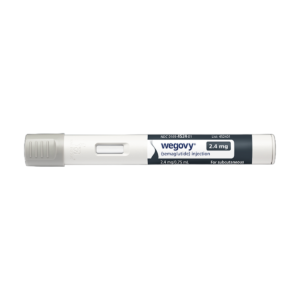
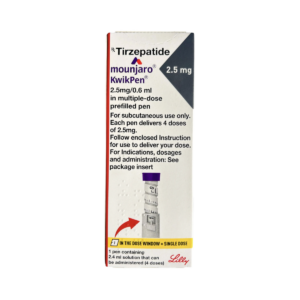
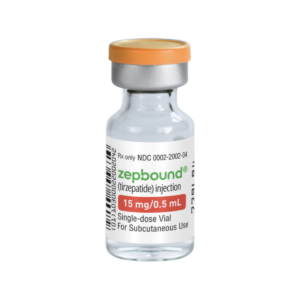
Glucagon-like peptide-1 (GLP-1) receptor agonists and dual GIP/GLP-1 receptor agonists—such as injectable semaglutide (Wegovy, Ozempic), tirzepatide (Mounjaro, Zepbound), and newly approved oral orforglipron (Foundayo)—produce substantial reductions in body weight. However, one of the most pressing clinical and personal questions surrounding these treatments is what happens when therapy stops.
A common misconception is that completing a course of GLP-1 medication “resets” body weight permanently. Rigorous randomized withdrawal trials demonstrate that obesity is a chronic, relapsing metabolic condition. When pharmacological receptor stimulation is withdrawn, the biological drivers of hunger return, metabolic expenditure remains reduced, and substantial weight regain typically follows.
Understanding the magnitude, timeline and physiological drivers of weight regain after stopping incretin therapy is essential for realistic treatment planning.
Why Appetite and Weight Return
GLP-1 receptor agonists do not permanently alter the neural circuits that regulate body weight. Instead, they act as continuous pharmacological agonists on:
- Hypothalamic appetite centres: Stimulating pro-opiomelanocortin (POMC) neurons and inhibiting neuropeptide Y / agouti-related peptide (NPY/AgRP) neurons, leading to increased satiety and reduced hunger.
- The hindbrain (area postrema and nucleus of the solitary tract): Regulating meal termination, taste aversion, and visceral fullness.
- The gastrointestinal tract: Delaying gastric emptying, which prolongs postprandial fullness and blunts postprandial glucose excursions.
Semaglutide has an elimination half-life of approximately 7 days, while tirzepatide has a half-life of approximately 5 days. Within 4 to 7 weeks after the last injection, circulating drug concentrations drop to undetectable levels.
As drug molecules detach from central and peripheral receptors, gastric emptying returns to its normal baseline velocity, and central appetite repression lifts. Because the body’s homeostatic defense mechanisms are primed to restore lost energy stores, appetite often rebounds vigorously.
Clinical Trial Evidence: The STEP-1 Extension (Semaglutide)
The clearest long-term evidence for semaglutide discontinuation comes from the 2-year off-treatment extension of the pivotal STEP-1 trial, published in Diabetes, Obesity and Metabolism in 2022.
In the original 68-week trial, adults with overweight or obesity received once-weekly subcutaneous semaglutide 2.4 mg alongside lifestyle intervention. At week 68, a subset of 327 participants entered an off-treatment extension phase where both semaglutide and structured lifestyle interventions were withdrawn for 52 weeks.
Trial Progression (STEP-1 Extension):
[Week 0] ------------ (Semaglutide 2.4 mg) ------------> [Week 68: -17.3% Weight]
                                                                  |
[Week 68] ----------- (Treatment Withdrawn) -----------> [Week 120: Regained 11.6%]
                                                         (Net retention: -5.6% from baseline)
Key Findings at Week 120 (52 Weeks Post-Cessation)
- Weight Regain: Participants who had lost an average of 17.3% of their initial body weight on semaglutide regained 11.6 percentage points of that weight during the off-treatment year. They regained approximately two-thirds (67%) of their prior weight loss.
- Placebo Trajectory: Those who had received placebo for 68 weeks lost 2.0% of their body weight and remained down 1.9% at week 120.
- Net Difference: While the semaglutide group retained a net reduction of 5.6% from their original baseline, the trajectory was steeply upward, indicating ongoing weight recovery.
Clinical Trial Evidence: The SURMOUNT-4 Trial (Tirzepatide)
The SURMOUNT-4 randomized withdrawal trial, published in JAMA in 2024, evaluated whether continued treatment with tirzepatide is required to maintain weight reduction.
The study enrolled 783 adults with obesity or overweight (without diabetes). All participants completed an open-label 36-week lead-in phase on maximally tolerated doses of tirzepatide (10 mg or 15 mg weekly). During these 36 weeks, participants achieved an impressive mean weight reduction of 20.9%.
At week 36, participants were randomized 1:1 in a double-blind fashion to either:
- Continue tirzepatide for an additional 52 weeks (to week 88).
- Switch to placebo for an additional 52 weeks.
| Outcome at Week 88 | Continued Tirzepatide (N=335) | Switched to Placebo (N=335) | Net Difference |
|---|---|---|---|
| Weight change from Week 36 to 88 | -5.5% (further loss) | +14.0% (regain) | -19.4% (p < 0.001) |
| Total weight change from Week 0 to 88 | -25.3% | -9.9% | -15.4% |
| Maintained ≥80% of lost weight | 89.5% of participants | 16.6% of participants | — |
The data demonstrate that switching to placebo resulted in substantial, rapid weight regain. Although the placebo group remained 9.9% below their pre-treatment baseline at week 88, only 16.6% maintained at least 80% of their initial weight reduction. In contrast, those maintaining tirzepatide experienced continuous, stable weight control and further progressive weight loss.
Changes in Cardiometabolic Risk Markers
Weight regain after stopping incretin therapy is not solely an aesthetic concern; it has immediate metabolic consequences.
In both STEP-1 extension and SURMOUNT-4, the substantial clinical improvements observed during active treatment largely reversed following discontinuation:
- Glycemic Control: HbA1c and fasting blood glucose rose back toward baseline levels. In prediabetic patients who had reverted to normoglycemia on treatment, discontinuation was frequently followed by re-emergence of prediabetes.
- Blood Pressure: Systolic and diastolic blood pressure improvements dissipated within months of drug withdrawal.
- Lipid Profile: Reductions in triglycerides, total cholesterol, and non-HDL cholesterol were largely lost.
- Inflammatory Markers: High-sensitivity C-reactive protein (hs-CRP), a hallmark marker of systemic vascular inflammation that declines by 40–50% on GLP-1 therapy, climbed steadily post-cessation.
The Physiology of Metabolic Adaptation and Rebound Hunger
The rapid rebound in weight observed in clinical trials is driven by evolutionary biological survival mechanisms:
1. Adaptive Thermogenesis (Metabolic Slowing)
When an individual loses 15% to 25% of their body weight, their resting metabolic rate (RMR) declines. Part of this decline is predictable due to reduced tissue mass. However, there is also an adaptive reduction: the body burns fewer calories than predicted for its new, lower weight. This metabolic depression persists for years post-weight loss.
2. Hormonal Counter-Regulation
Significant weight loss triggers an endocrine survival response:
- Ghrelin (hunger hormone): Circulating levels rise and remain elevated.
- Leptin (satiety hormone): Drops precipitously in response to depleted adipocyte lipid reserves, signaling energy deprivation to the brain.
- Endogenous PYY and Amylin: Satiety peptides secreted by the gut are suppressed.
While a patient is injecting semaglutide or tirzepatide, synthetic pharmacological activation overrides these endocrine alarm signals. The moment the drug clears the body, the patient is left with suppressed resting energy expenditure, depleted leptin, elevated ghrelin, and uninhibited appetite centres. This physiological imbalance leads to severe subjective hunger (“food noise”).
Is Tapering Better Than Abrupt Cessation?
Because stopping abruptly can cause sudden appetite surge and gastrointestinal adjustment, many clinicians discuss dose tapering. However, what does the evidence show?
- Clinical Trial Protocols: Major trials (STEP-1, SURMOUNT-4) used abrupt discontinuation rather than tapering. Therefore, high-level randomized data comparing abrupt vs tapered cessation are limited.
- Pharmacokinetic Cushion: Because semaglutide and tirzepatide have long half-lives, the body naturally undergoes a slow, multi-week decline in circulating drug concentration over 4 to 6 weeks after a single missed dose.
- Step-Down Titration in Practice: In real-world clinical care, step-down tapering (e.g., dropping from 2.4 mg to 1.7 mg, then 1.0 mg, then 0.5 mg over several months) is often employed to allow the patient and their multidisciplinary team to evaluate appetite response, reinforce behavioural dietary strategies, and detect early weight regain before severe relapse occurs.
Strategies for Post-Discontinuation Weight Maintenance
For individuals who must or choose to discontinue GLP-1 medications—due to cost, adverse effects, family planning, or personal preference—several clinical strategies help mitigate weight regain:
- High Dietary Protein Intake: Consuming 1.2 to 1.6 grams of protein per kilogram of body weight increases meal-induced thermogenesis, promotes endogenous satiety hormone release, and preserves lean muscle mass.
- Structured Resistance Training: Engaging in progressive resistance training 2 to 4 times weekly prevents loss of metabolically active muscle tissue and helps counteract adaptive thermogenesis.
- High-Volume, Low-Energy Density Foods: Increasing dietary fiber (soluble and insoluble) delays gastric emptying mechanically and stimulates endogenous GLP-1 release from intestinal L-cells.
- Frequent Weight Self-Monitoring: Setting an objective “action threshold” (e.g. if weight increases by 2 to 3 kg above nadir) triggers immediate reassessment of energy balance, avoiding unchecked relapse.
- Alternative Medical Therapies: Transitioning to oral, lower-cost, or differently targeted anti-obesity medications (such as metformin, orlistat, or naltrexone/bupropion) under medical supervision may help bridge appetite regulation.
Frequently Asked Questions
Does everyone regain weight when stopping Wegovy or Mounjaro?
In clinical trials, the vast majority of participants regained weight. In SURMOUNT-4, over 83% of participants who stopped tirzepatide regained significant weight. While an exceptional minority maintain their weight loss through extraordinary lifestyle adherence, biological mechanisms strongly favor weight recovery.
Is weight regain faster than natural weight gain?
Weight regain can feel sudden because appetite returns while metabolic rate remains temporarily suppressed. However, trial data show a steady, continuous trajectory over 12 months rather than an overnight rebound.
Will stopping GLP-1 medications ruin my metabolism?
No. The metabolic slowing observed is the standard physiological response to losing a large amount of body mass (adaptive thermogenesis), identical to what occurs after bariatric surgery or severe caloric restriction. GLP-1 medications do not damage metabolic machinery; they temporarily compensate for its downregulation.
Can I stay on a low maintenance dose permanently?
Yes. Current international guidelines from organizations such as the American Diabetes Association (ADA) and the European Association for the Study of Obesity (EASO) view obesity pharmacotherapy as chronic, long-term treatment, analogous to antihypertensive therapy for hypertension or statins for hypercholesterolemia.
Related reading: Semaglutide vs Tirzepatide: Understanding the Differences · Ozempic vs Wegovy: What’s the Difference? · Managing GLP-1 Side Effects: Nausea, Constipation and GI Tolerability · GLP-1 Medications and Muscle Mass: Preserving Lean Tissue During Weight Loss
Scientific references
- Wilding JPH, et al. Weight regain and cardiometabolic effects after withdrawal of semaglutide: The STEP 1 trial extension. Diabetes, Obesity and Metabolism. 2022;24(8):1553-1564. PubMed PMID: 35441470
- Aronne LJ, et al. Continued Treatment With Tirzepatide for Maintenance of Weight Reduction in Adults With Obesity: The SURMOUNT-4 Randomized Clinical Trial. JAMA. 2024;331(1):38-48. PubMed PMID: 38078870
- Rubino D, et al. Effect of Continued Weekly Subcutaneous Semaglutide vs Placebo on Weight Loss Maintenance in Adults With Overweight or Obesity: The STEP 4 Randomized Clinical Trial. JAMA. 2021;325(14):1414-1425. PubMed PMID: 33755728
- Sumithran P, et al. Long-term persistence of hormonal adaptations to weight loss. New England Journal of Medicine. 2011;365(17):1597-1604. PubMed PMID: 22029981
- Rosenbaum M, Leibel RL. Adaptive thermogenesis in humans. International Journal of Obesity. 2010;34(Suppl 1):S47-S55. PubMed PMID: 20935667
This article is educational and does not constitute personalized treatment advice. Treatment decisions depend on individual circumstances and professional assessment.