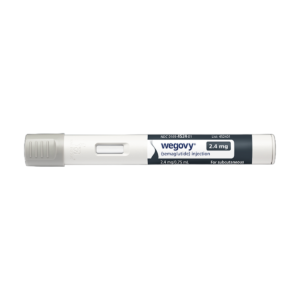
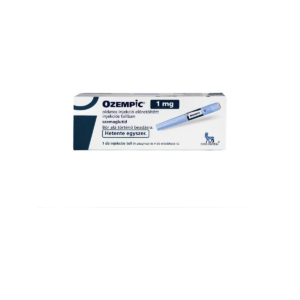
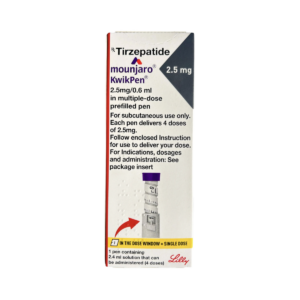
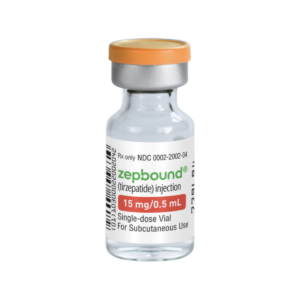
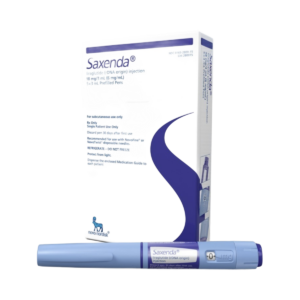
Gastrointestinal (GI) adverse reactions are the most frequent side effects observed with glucagon-like peptide-1 (GLP-1) receptor agonists (such as semaglutide and liraglutide) and dual GIP/GLP-1 receptor agonists (such as tirzepatide). In clinical trials including the STEP, SURPASS and SURMOUNT programs, between 40% and 70% of participants reported at least one GI symptom during dose escalation.
While these effects are predominantly mild to moderate and transient—peaking during dose increases and resolving over 2 to 4 weeks—they represent the leading cause of premature treatment discontinuation.
This guide examines the biological mechanisms underlying incretin-induced GI symptoms, evidence-based nutritional and pharmacological management strategies, and the diagnostic boundaries distinguishing common tolerability issues from rare, severe clinical complications such as pancreatitis, bowel obstruction, and gastroparesis.
Why Incretins Cause Gastrointestinal Symptoms
The physiological basis of GLP-1 side effects mirrors the therapeutic mechanisms that drive weight reduction:
                  GLP-1 Receptor Activation
                             │
         ┌───────────────────┴───────────────────┐
         ▼                                       ▼
  Central Stimulation                   Peripheral Motility
(Area Postrema / NTS)                 (Stomach & Duodenum)
         │                                       │
  • Nausea sensation                     • Delayed gastric emptying
  • Taste aversion                       • Prolonged gastric distension
  • Meal termination                     • Acid reflux / Early fullness
- Gastric Motor Inhibition: Endogenous GLP-1 is an “ileal brake” hormone that signals the stomach to slow the delivery of chyme into the small intestine. High pharmacological concentrations of semaglutide or tirzepatide markedly decelerate gastric emptying. Food remains in the stomach significantly longer, causing postprandial fullness, mechanical distension, bloating and nausea.
- Central Emetic Pathways: GLP-1 receptors are densely expressed in the circumventricular organs of the brainstem, notably the area postrema and the nucleus of the solitary tract (NTS). Because the area postrema lacks a fully intact blood-brain barrier, circulating incretin agonists directly trigger central sensory neurons involved in the chemoreceptor trigger zone for emesis.
- Colonic Transit Alterations: While gastric slowing dominates the upper GI tract, systemic incretin stimulation can either prolong colonic transit time (causing constipation) or alter bile acid handling and mucosal secretion (triggering osmotic diarrhea).
Incidence in Clinical Trials: Semaglutide vs Tirzepatide
Both semaglutide and tirzepatide exhibit similar overall GI tolerability profiles, with nausea and diarrhea being the most frequently reported events:
| Adverse Event | Semaglutide 2.4 mg (STEP 1) | Tirzepatide 15 mg (SURMOUNT 1) | Placebo (Pooled) |
|---|---|---|---|
| Nausea | 44.2% | 31.0% | 8.0%–16.1% |
| Diarrhea | 31.5% | 23.0% | 7.3%–10.0% |
| Vomiting | 24.8% | 12.2% | 3.0%–6.3% |
| Constipation | 23.4% | 17.1% | 5.0%–5.8% |
| Dyspepsia / Reflux | 10.3% | 10.0% | 3.0%–4.0% |
| Discontinuation Due to GI Events | 4.5% | 6.7% | 1.0%–2.0% |
Clinical Context: In both trials, over 90% of GI adverse events were classified as mild to moderate in severity, occurred primarily during the first 16 to 20 weeks of dose escalation, and resolved spontaneously over 1 to 3 weeks without dose reduction.
Nausea and Vomiting: Prevention and Relief
Nausea is typically triggered by overeating, eating rapidly, or consuming meals rich in dietary lipids.
Dietary and Behavioural Interventions:
- Eat Small, Frequent Meals: Divide daily calories into 4 to 5 small meals rather than 2 or 3 large meals to prevent excessive gastric distension.
- Stop at the First Sensation of Fullness: The sensation of satiety is amplified; continuing to eat past mild fullness frequently results in nausea within 30 to 60 minutes.
- Reduce Dietary Fat: Lipids naturally stimulate endogenous cholecystokinin (CCK) and enterogastrone release, compounding pharmacological gastric delay. Avoid fried foods, heavy oils, and fatty cuts of meat.
- Separate Solids and Liquids: Avoid drinking large volumes of water or beverages during meals; consume liquids 30 minutes before or after meals to preserve stomach volume.
- Stay Upright After Meals: Avoid lying down for at least 2 hours post-ingestion.
Pharmacological Support:
- Ginger Supplements: Standardized ginger extract (500–1000 mg daily) possesses 5-HT3 antagonist-like properties and promotes gastric motility.
- Short-Term Anti-Emetics: In cases of severe nausea during dose transitions, clinicians may prescribe short courses of ondansetron (4–8 mg), cyclizine, or prochlorperazine. Note: Metoclopramide is generally avoided due to conflicting motility effects and risk of extrapyramidal symptoms.
- Dose Titration Hold: If nausea is disruptive, pausing at the current dose for an additional 4 weeks—or temporarily dropping back to the previous dose—almost universally restores tolerability.
Constipation and Delayed Colonic Transit
Constipation affects roughly 1 in 5 patients and can worsen nausea if left unaddressed. It occurs because slowed overall motility allows increased water reabsorption in the colon, producing hard, dry stools.
Management Protocol:
- Hydration: Aim for 2.0 to 2.5 litres of water or non-caloric fluids daily. Incretin therapy blunts thirst signaling in some patients; scheduled water intake is helpful.
- Soluble Dietary Fiber: Increase intake of soluble fiber (oats, psyllium husk, chia seeds, cooked vegetables). Psyllium husk (5–10 g daily with 300 mL of water) softens stool consistency.
- Osmotic Laxatives:
- Polyethylene Glycol (Macrogol): First-line clinical choice. It draws water into the stool without irritating intestinal mucosa or inducing bowel dependency.
- Magnesium Citrate / Magnesium Oxide: Effective osmotic agents taken in the evening.
- Avoid Bulk Stimulants: Stimulant laxatives (senna, bisacodyl) should be reserved for short-term rescue therapy rather than daily maintenance.
Diarrhea and Malabsorption
Diarrhea is paradoxical given delayed gastric emptying, but it occurs frequently, particularly after rapid titration or rich meals. Rapid transit of unabsorbed fats and carbohydrates into the colon triggers bacterial fermentation and osmotic fluid secretion.
Management Protocol:
- Identify Food Triggers: Highly processed foods, artificial sweeteners (sorbitol, maltitol, erythritol), and excess dairy often exacerbate diarrhea.
- Electrolyte Replacement: Ensure oral rehydration salts (ORS) or electrolyte solutions are used if stools are frequent, preventing sodium and potassium depletion.
- Short-Course Loperamide: If diarrhea persists despite dietary clean-up, loperamide (2 mg after each loose stool, max 8 mg daily) may be used under clinical guidance once infectious causes are ruled out.
Acid Reflux and “Sulphur Burps”
Because food remains in the stomach for prolonged periods, gastric acid production continues against delayed clearance.
- Sulphur Burps: Caused by the fermentation of sulfur-containing proteins and anaerobic bacterial overgrowth in a stagnant stomach, releasing hydrogen sulphide gas (H2S).
- Gastro-Esophageal Reflux: Lower esophageal sphincter pressure can be overcome by increased intra-gastric volume.
Management:
- Eliminate carbonated drinks, peppermint, caffeine, chocolate, and late-night snacking.
- Digestive Enzymes: May assist with faster protein and fat breakdown in early gastric residence.
- Acid Suppression: Short-term H2-receptor antagonists (famotidine 20–40 mg) or proton pump inhibitors (omeprazole, pantoprazole) provide symptomatic acid relief.
Gastroparesis, Ileus and Bowel Obstruction
Regulatory agencies (including the US FDA and UK MHRA) have updated safety labels for GLP-1 medications regarding severe gastrointestinal risks:
1. Drug-Induced Gastroparesis (Stomach Paralysis)
While mild delay in gastric emptying is therapeutic, severe gastroparesis involves prolonged cessation of peristalsis. Symptoms include vomiting undigested food eaten 12–24 hours prior, severe early satiety, persistent fullness, and abdominal pain.
- Clinical Action: If documented on gastric emptying scintigraphy, GLP-1 medication must be discontinued.
2. Paralytic Ileus and Intestinal Obstruction
In September 2023, the FDA added “ileus” to the warning label of Ozempic and Wegovy. Post-marketing surveillance identified rare cases where intestinal motility halted completely.
- Warning Signs: Complete inability to pass gas or stool, severe progressive abdominal distension, and severe cramping pain. This represents a medical emergency requiring urgent hospital imaging (CT abdomen).
Acute Pancreatitis and Gallbladder Disease
Acute Pancreatitis
GLP-1 receptor activation induces mild pancreatic ductal proliferation in preclinical models. In large clinical trial meta-analyses, acute pancreatitis occurred in <0.3% of patients, with a rate not statistically different from placebo; however, post-marketing reports confirm rare drug-induced cases.
- Key Symptoms: Sudden, severe, constant abdominal pain in the upper abdomen, frequently radiating through to the back, accompanied by vomiting and fever.
- Action: Stop medication immediately and check serum lipase and amylase (elevated >3 times upper limit of normal confirms diagnosis). Re-challenging with GLP-1s is contraindicated after documented pancreatitis.
Cholelithiasis and Cholecystitis
Rapid weight loss from any cause increases cholesterol saturation in bile, predisposing to gallstones (cholelithiasis). In the STEP and SURMOUNT programs, cholelithiasis occurred in 1.5% to 2.5% of incretin-treated patients.
- Key Symptoms: Severe colicky pain in the right upper quadrant or epigastrium occurring 1 to 2 hours after meals, jaundice, or fever.
Frequently Asked Questions
How long do side effects typically last?
For the majority of patients, nausea and digestive discomfort peak between 24 and 72 hours after an injection during dose escalation and subside within 10 to 14 days. Once a stable maintenance dose is maintained for 4 to 8 weeks, symptoms generally resolve completely.
Can I take Pepto-Bismol (bismuth subsalicylate) for sulfur burps?
Bismuth subsalicylate binds to hydrogen sulphide gas in the digestive tract and can temporarily reduce the odor and discomfort of sulfur burps. However, it should only be used occasionally and not taken by individuals on aspirin or other salicylates without medical advice.
What should I do if I cannot keep fluids down?
If unremitting vomiting prevents fluid retention for more than 12 to 24 hours, contact emergency medical care immediately. Intravenous fluids and anti-emetics are necessary to prevent acute pre-renal azotemia (kidney injury) and electrolyte collapse.
Related reading: Tirzepatide Dosage Guide: Titration Schedules and Administration · Ozempic vs Wegovy: What’s the Difference? · Semaglutide vs Tirzepatide: Understanding the Differences · What Happens When Stopping GLP-1 Medicines? Evidence on Weight Regain
Scientific references
- Wharton S, et al. Managing the gastrointestinal side effects to GLP-1 receptor agonists in clinical practice: A practical guide. Diabetes, Obesity and Metabolism. 2022;24(12):2285-2299. PubMed PMID: 35879854
- Wilding JPH, et al. Once-Weekly Semaglutide in Adults with Overweight or Obesity (STEP 1). New England Journal of Medicine. 2021;384(11):989-1002. PubMed PMID: 33567185
- Jastreboff AM, et al. Tirzepatide Once Weekly for the Treatment of Obesity (SURMOUNT-1). New England Journal of Medicine. 2022;387(3):205-216. PubMed PMID: 35658024
- Gorgojo-Martínez JJ, et al. Clinical Recommendations to Manage Gastrointestinal Adverse Events in Patients Treated with Glp-1 Receptor Agonists: A Multidisciplinary Expert Consensus. Journal of Clinical Medicine. 2022;12(1):145. PubMed PMID: 36614946
- US Food and Drug Administration (FDA). FDA approves update to drug label for Ozempic regarding risk of intestinal obstruction (ileus). FDA Safety Communications; September 2023.
This article is educational and does not constitute personalized treatment advice. Treatment decisions depend on individual circumstances and professional assessment.