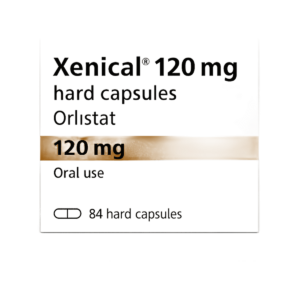
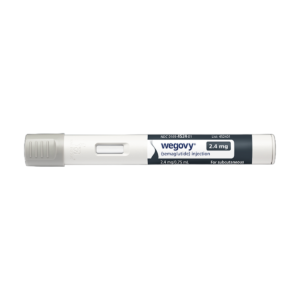
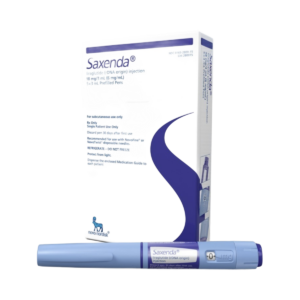
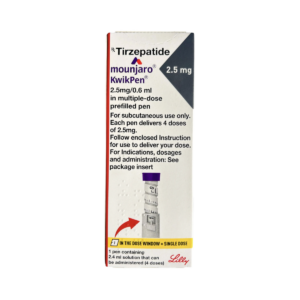
The pharmacological management of obesity has undergone a radical transformation. For over two decades, orlistat (marketed as Xenical, Alli, and generic formulations such as Thincal) was the primary long-term anti-obesity medication prescribed worldwide. Today, glucagon-like peptide-1 (GLP-1) receptor agonists (such as semaglutide/Wegovy and liraglutide/Saxenda) and dual incretins (tirzepatide/Mounjaro) dominate clinical guidelines.
Despite this shift, orlistat remains widely prescribed and commercially accessible, serving as an oral, non-systemic option for patients who cannot tolerate or afford incretin injections.
However, orlistat and GLP-1 receptor agonists operate through completely divergent biological mechanisms, exhibit vastly different efficacy profiles, and carry distinct side-effect patterns. This article compares the two drug classes in detail.
At a Glance: Direct Comparison
| Parameter | Orlistat (Xenical, Thincal, Alli) | GLP-1 Incretins (Wegovy, Saxenda, Mounjaro) |
|---|---|---|
| Drug Class | Gastric and pancreatic lipase inhibitor | Incretin receptor agonist (GLP-1 / GIP) |
| Primary Target | Gastrointestinal tract lumen (local) | Central hypothalamus, brainstem, vagus, stomach |
| Systemic Absorption | Negligible (<1%) | High systemic bioavailability via injection |
| Administration Route | Oral capsule | Subcutaneous injection or daily oral capsule (Foundayo / Wegovy tablets) |
| Dosing Frequency | 120 mg three times daily with meals | Once weekly (Wegovy, Mounjaro) or once daily (Saxenda) |
| Mean Trial Weight Loss | ~5% to 8% total (3%–5% net of placebo) | ~15% to 21% total (12%–18% net of placebo) |
| Primary Side Effects | Oily stools, fecal urgency, flatus with discharge | Nausea, vomiting, delayed gastric emptying, constipation |
| Vitamin Supplementation | Mandatory: Fat-soluble vitamins (A, D, E, K) | Recommended: Standard balanced nutrition & protein |
| Prescription Status | Rx (120 mg); OTC in some countries (Alli 60 mg) | Prescription-only medicine |
Mechanism of Action: Peripheral Malabsorption vs Central Appetite
The defining distinction between orlistat and GLP-1 medications lies in where and how they alter energy balance:
               Mechanism Comparison
                        │
         ┌──────────────┴──────────────┐
         ▼                             ▼
Orlistat (Gut Lumen)          GLP-1 Incretins (Systemic)
• Covalently binds lipases     • Crosses to hypothalamus & hindbrain
• Blocks triglyceride breakdown • Suppresses hunger & "food noise"
• ~30% fat excreted in feces   • Delays gastric emptying
• Appetite remains unchanged   • Profoundly reduces calorie intake
How Orlistat Works
Dietary fats are ingested primarily as insoluble triglycerides. To be absorbed across the intestinal brush border, triglycerides must be hydrolyzed into free fatty acids and monoglycerides by gastric and pancreatic lipases.
Orlistat forms a covalent bond with the active serine site of these lipase enzymes in the lumen of the stomach and small intestine, rendering them inactive.
- At the recommended therapeutic dose of 120 mg three times daily, orlistat inhibits approximately 30% of dietary fat absorption.
- The undigested triglycerides cannot be absorbed and pass intact through the colon, to be eliminated in the stool.
- Crucially, orlistat has no direct effect on appetite, hunger, or satiety centres in the brain. Patients must exert conscious dietary restraint; if high-fat foods are consumed, the unabsorbed fat directly causes severe gastrointestinal symptoms.
How GLP-1 Agonists Work
In contrast, GLP-1 receptor agonists replicate endogenous gut peptides that signal energy sufficiency.
- They activate POMC/CART neurons and inhibit NPY/AgRP neurons in the arcuate nucleus of the hypothalamus.
- They act on the area postrema to induce early meal termination.
- They slow gastric emptying, physically prolonging the duration of fullness.
- As a result, patients experience an involuntary, effortless reduction in hunger, eliminating compulsive food cravings (“food noise”) and spontaneously reducing daily energy intake by 30% to 45%.
Clinical Efficacy and Weight Loss Outcomes
The magnitude of weight loss achieved with modern incretin therapy substantially surpasses that achieved with orlistat:
1. Orlistat Clinical Data (The XENDOS Trial)
The pivotal XENDOS study evaluated 3,305 patients over 4 years:
- At Year 1, mean weight loss was 10.6 kg (roughly 10%) in the orlistat group versus 6.2 kg in the lifestyle placebo group (net drug benefit: 4.4 kg).
- Over 4 years, weight regain occurred in both groups. By Year 4, the orlistat group maintained a mean weight reduction of 5.8 kg (roughly 5.5%) versus 3.0 kg with placebo.
- 52.8% of orlistat patients achieved ≥5% weight loss at Year 1, compared to 37.3% with placebo.
2. Semaglutide 2.4 mg (STEP-1 Trial)
In the 68-week STEP-1 trial:
- Participants achieved a mean weight reduction of 14.9% (15.3 kg) with semaglutide versus 2.4% (2.6 kg) with placebo (net drug benefit: 12.5%).
- 86.4% achieved ≥5% weight loss, and 50.5% achieved ≥15% weight loss.
3. Tirzepatide 15 mg (SURMOUNT-1 Trial)
In the 72-week SURMOUNT-1 trial:
- Mean weight reduction reached 20.9% (23.6 kg) with tirzepatide 15 mg versus 3.1% with placebo.
- 63% achieved ≥20% weight loss, approaching the outcomes of laparoscopic sleeve gastrectomy.
Cardiometabolic and Glycemic Effects
Both classes improve metabolic markers, but through different routes:
- Type 2 Diabetes Prevention: In the XENDOS trial, orlistat reduced the 4-year cumulative incidence of type 2 diabetes by 37% in patients with baseline impaired glucose tolerance. Semaglutide and tirzepatide revert 70% to 80% of prediabetic patients to normoglycemia in trials.
- Lipid Profiles: Orlistat produces a pronounced reduction in total cholesterol and LDL-cholesterol (partly due to impaired intestinal cholesterol absorption alongside triglycerides). GLP-1 agonists produce moderate LDL lowering but substantially greater reductions in triglycerides (-20% to -30%) and systemic inflammation (hs-CRP reductions of 40%–50%).
- Cardiovascular Outcomes: Semaglutide demonstrated a statistically significant 20% reduction in major adverse cardiovascular events (MACE) in the 17,604-patient SELECT trial. Orlistat has never completed a dedicated cardiovascular outcomes trial (CVOT).
Tolerability and Adverse Reaction Comparison
The side effect profiles represent the most prominent practical difference between the two treatments:
Orlistat Adverse Reactions (Steatorrhea & Fecal Urgency)
Because unabsorbed dietary fats cannot be digested by intestinal bacteria, they remain as free liquid oils in the colon:
- Oily Spotting and Incontinence: Involuntary leakage of oily discharge occurs in 20% to 30% of patients, particularly if dietary fat exceeds 30% of total calories.
- Fecal Urgency and Flatus with Discharge: Severe, urgent bowel movements and passage of gas accompanied by oily stool occur in 15% to 40% of patients.
- Compliance Factor: In clinical practice, these lower GI symptoms act as a form of “negative reinforcement”: patients learn that eating fat causes immediate diarrhea, compelling compliance with a low-fat diet. However, this high nuisance factor causes up to 60% of patients to discontinue orlistat within 3 to 6 months.
GLP-1 Incretin Adverse Reactions (Upper GI Discomfort)
- Nausea and Vomiting: Occurs in 30% to 45% during titration due to gastric slowing and central trigger zone stimulation.
- Constipation: Slowed colonic transit occurs in 15% to 25%.
- Acid Reflux: Delayed gastric emptying increases intragastric pressure.
Administration, Dosing and Lifestyle Requirements
| Dimension | Orlistat | GLP-1 Incretins (e.g. Wegovy) |
|---|---|---|
| Dose | 120 mg capsule | 0.25 mg titrated to 2.4 mg |
| Timing | Taken with each main meal (up to 1 hour after) | Injected on the same day once weekly |
| Missed Meal Rule | If a meal is missed or contains no fat, skip the dose | Injected regardless of meals |
| Dietary Requirement | Strictly <30% calories from fat to avoid severe diarrhea | High-protein (1.2–1.6 g/kg), balanced calories |
| Storage | Room temperature (blister pack) | Refrigerator (2°C–8°C); room temperature limited |
Nutritional and Drug Interactions
Fat-Soluble Vitamin Deficiencies
Because dietary fat absorption is blocked, the assimilation of lipophilic vitamins is compromised on orlistat:
- Vitamins A, D, E, K and Beta-Carotene: Chronic orlistat use leads to subclinical or clinical deficiencies in a subset of patients.
- Multivitamin Protocol: Patients on orlistat should take a daily multivitamin containing fat-soluble vitamins at bedtime, or at least 2 hours before or after taking orlistat, to ensure proper absorption.
Drug-Drug Interactions
- Cyclosporine: Orlistat markedly reduces cyclosporine absorption. Cyclosporine must be taken at least 3 hours before or after orlistat, with close blood-level monitoring.
- Levothyroxine: Absorption of thyroid hormones can be impaired; separate administration by at least 4 hours.
- Oral Contraceptives: While orlistat does not chemically interact with oral contraceptives, severe diarrhea induced by orlistat can cause contraceptive failure. Additional barrier contraception is advised if severe diarrhea occurs.
Clinical Suitability: Who Should Consider Each?
When Orlistat May Be Preferred:
- Contraindications to GLP-1 Therapy: Patients with a personal or family history of medullary thyroid carcinoma (MTC), multiple endocrine neoplasia syndrome type 2 (MEN 2), or prior history of pancreatitis.
- Need for Non-Systemic Treatment: Patients seeking a medication that is not absorbed into the bloodstream.
- Cost and Accessibility Barriers: Orlistat is available as an inexpensive generic medication worldwide and as an over-the-counter preparation in certain markets.
- Preference for Non-Systemic Oral Dosing: Patients seeking an oral medication without systemic central or incretin receptor exposure (though approved oral GLP-1 options like Foundayo / orforglipron and oral Wegovy now exist for patients with needle phobia).
When GLP-1 Incretins Are Preferred:
- Severe Obesity (BMI ≥35 kg/m²): Where substantial weight reduction (≥15%) is required to treat severe comorbidities (sleep apnea, osteoarthritis, MASH).
- Uncontrollable Appetite and “Food Noise”: Where hunger and obsessive cravings prevent adherence to dietary restriction.
- Type 2 Diabetes and Cardiovascular Disease: Where proven glycemic control, cardiovascular risk reduction (SELECT trial), and renal protection are primary therapeutic goals.
Frequently Asked Questions
Can orlistat and Wegovy be taken together?
Combining orlistat with a GLP-1 receptor agonist is generally not recommended in clinical guidelines. Because GLP-1 medications substantially reduce overall food intake, adding a lipase inhibitor yields negligible additional weight loss while compounding gastrointestinal adverse effects.
What happens if I eat a high-fat meal while taking orlistat?
Consuming a meal containing high amounts of fat (such as fried foods, pizza, or rich sauces) will almost certainly cause acute steatorrhea: severe abdominal cramping, loose oily stools, flatulence with oily discharge, and urgent fecal incontinence within 12 to 24 hours.
Does orlistat cause liver damage?
Post-marketing surveillance reported rare cases of severe liver injury in patients taking orlistat. However, comprehensive regulatory reviews by the FDA and MHRA concluded that a direct causal relationship has not been established. Patients should nevertheless report dark urine or jaundice promptly.
Related reading: Wegovy vs Saxenda: Semaglutide and Liraglutide Compared · Semaglutide vs Tirzepatide: Understanding the Differences · Managing GLP-1 Side Effects: Nausea, Constipation and GI Tolerability · Mysimba (Naltrexone/Bupropion): Mechanism, Evidence and Safety Profile
Scientific references
- Torgerson JS, et al. XENical in the prevention of Diabetes in Obese Subjects (XENDOS) study: a randomized study of orlistat as an adjunct to lifestyle changes for the prevention of type 2 diabetes in obese patients. Diabetes Care. 2004;27(1):155-161. PubMed PMID: 14693982
- Wilding JPH, et al. Once-Weekly Semaglutide in Adults with Overweight or Obesity (STEP 1). New England Journal of Medicine. 2021;384(11):989-1002. PubMed PMID: 33567185
- Jastreboff AM, et al. Tirzepatide Once Weekly for the Treatment of Obesity (SURMOUNT-1). New England Journal of Medicine. 2022;387(3):205-216. PubMed PMID: 35658024
- Electronic Medicines Compendium (emc). Xenical 120 mg hard capsules: Summary of Product Characteristics (SmPC). UK Medicines and Healthcare products Regulatory Agency (MHRA); Updated 2024.
- Linne Y, et al. A review of orlistat: 10 years of clinical experience. Vascular Health and Risk Management. 2010;6:1043-1053.
This article is educational and does not constitute personalized treatment advice. Treatment decisions depend on individual circumstances and professional assessment.