Psychostimulants represent the most efficacious first-line pharmacological treatment for Attention-Deficit/Hyperactivity Disorder (ADHD) across children, adolescents, and adults, and are widely utilized in treatment-refractory narcolepsy. Among stimulant medications, dextroamphetamine (d-amphetamine) is the primary active enantiomer responsible for therapeutic central nervous system stimulation.
However, conventional immediate-release or mixed-salt amphetamine formulations (such as Adderall or Dexedrine) exhibit rapid gastrointestinal absorption, producing sharp, spike-and-crash plasma concentration curves that require multiple daily doses, carry significant “rebound” irritability, and present substantial risks of non-medical diversion, nasal insufflation, and intravenous abuse.
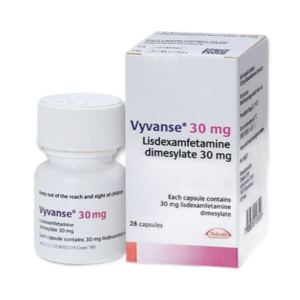
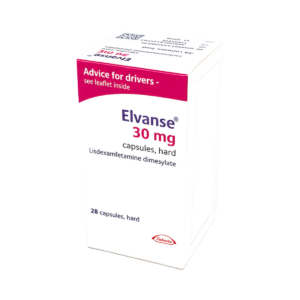
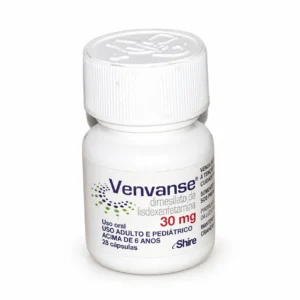
Lisdexamfetamine dimesylate (marketed internationally as Vyvanse, Elvanse, and Venvanse) was engineered specifically to solve these pharmacokinetic and pharmacological challenges. It is a therapeutically inactive molecular prodrug consisting of d-amphetamine covalently bonded to the essential amino acid L-lysine.
This article reviews the cellular biochemistry of rate-limited red blood cell cleavage, contrasts the pharmacokinetic profiles of lisdexamfetamine against standard d-amphetamine, evaluates clinical trial outcomes in ADHD and Binge Eating Disorder (BED), and examines abuse deterrence, cardiovascular safety, and controlled substance legal classifications.
Molecular Structure: The L-Lysine Amide Bond
Traditional amphetamine formulations contain free amphetamine salts:
- Dextroamphetamine Sulfate (Dexedrine): 100% d-isomer.
- Mixed Amphetamine Salts (Adderall): 75% d-amphetamine / 25% l-amphetamine.
In contrast, lisdexamfetamine is a distinct, patented single-molecule chemical entity:
- It is synthesized by covalently attaching the amino acid L-lysine to the amino group of d-amphetamine via an amide bond.
- Because of this covalent modification, lisdexamfetamine is completely inactive at dopamine and norepinephrine monoamine transporters; in receptor affinity profiling assays, its affinity for DAT and NET is negligible.
- It cannot exert central stimulant effects until this specific peptide bond is enzymatically hydrolyzed in the circulation.
                    Lisdexamfetamine Ingestion
                               │
                               ▼
        Gastrointestinal Absorption (Intact Prodrug via PEPT1)
                               │
                               ▼
            Enters Systemic Bloodstream (Erythrocytes)
                               │
                               ▼
           Aminopeptidase Hydrolysis (Red Blood Cells)
                               │
         ┌─────────────────────┴─────────────────────┐
         ▼                                           ▼
L-Lysine (Essential Amino Acid)               d-Amphetamine (Active Drug)
• Harmless nutrient                           • Binds DAT and NET
• Natural protein synthesis                   • Blocks reuptake & triggers efflux
                                              • Therapeutic focus & attention
Enzymatic Cleavage: Why Red Blood Cells Matter
Many prodrugs in medicine rely on hepatic metabolism (e.g. CYP2D6, CYP3A4, or carboxylesterases). However, hepatic metabolism is notorious for inter-individual variability:
- Genetic “poor metabolizers” experience sub-therapeutic drug levels.
- Genetic “ultra-rapid metabolizers” suffer acute drug toxicity.
- Liver disease, meals, and co-administered medications interfere with conversion rates.
The Red Blood Cell Breakthrough: In contrast, lisdexamfetamine is absorbed intact across the small intestine via high-capacity peptide transporters (PEPT1) and enters the bloodstream:
- Once in the blood, the intact prodrug enters erythrocytes (red blood cells).
- Inside erythrocytes, cytosolic aminopeptidases cleave the amide linkage, splitting the prodrug into L-lysine and free, active d-amphetamine.
- Because the human body contains approximately 25 trillion red blood cells with massive, uniform aminopeptidase capacity, this conversion is exceptionally consistent between individuals and is unaffected by liver enzyme polymorphisms or gastrointestinal pH.
Pharmacokinetic Comparison: Spike-and-Crash vs Smooth Plateau
The biological cleavage process profoundly shapes the plasma concentration-time curve (Cp vs time):
| Pharmacokinetic Parameter | Immediate-Release d-Amphetamine | Mixed Salts Extended-Release (Adderall XR) | Lisdexamfetamine (Vyvanse / Elvanse) |
|---|---|---|---|
| Delivery Mechanism | Immediate dissolution in stomach | Two-bead mechanical release (50% immediate, 50% delayed) | Biological rate-limited enzymatic prodrug cleavage |
| Time to Peak Concentration (Tmax) | 1.5 to 2.5 hours | Bimodal peaks (at ~3h and ~7h) | ~3.5 to 4.5 hours (smooth, single peak) |
| Active Duration of Action | 4 to 6 hours (requires 2–3 daily doses) | 8 to 10 hours | 10 to 14 hours (reliable all-day coverage) |
| Inter-Subject Variability (CV) | High | Moderate | Low (exceptionally predictable absorption) |
| Effect of High-Fat Meal | Accelerates or alters peak | Delays second peak by up to 2.5 hours | Minimal (prolongs Tmax by ~1h, total AUC unchanged) |
Plasma Concentration (Active d-Amphetamine)
     ▲
     │  Immediate-Release: Sharp spike, early peak, rapid crash
     │    ┌─┐
     │   ╱   ╲
     │  ╱     ╲   Lisdexamfetamine: Gradual rise, sustained plateau, smooth clearance
     │ ╱       ╲      ┌───────┐
     │╱         ╲____╱         ╲________________
     └─────────────────────────────────────────────► Time (Hours)
     0    2     4    6    8    10   12   14   16
Because d-amphetamine is released gradually as red blood cells process the prodrug, plasma levels rise smoothly, avoiding the steep initial rate of rise (ΔC / Δt) that triggers dopamine surges in the nucleus accumbens.
Efficacy in ADHD: Duration, Rebound and Executive Function
In extensive Phase 3 randomized, double-blind, placebo-controlled trials across pediatric and adult cohorts (e.g. Biederman et al., Biological Psychiatry):
- Lisdexamfetamine produced statistically significant, robust reductions in core ADHD symptoms (inattention, hyperactivity, impulsivity), with effect sizes exceeding 0.8 to 1.2 (among the highest therapeutic effect sizes in psychiatry).
- The “Late Afternoon Rebound” Advantage: With immediate-release stimulants, as plasma drug concentrations plummet in late afternoon, patients frequently suffer severe “stimulant rebound”—an acute worsening of irritability, emotional dysregulation, and hyperactivity worse than baseline. Because lisdexamfetamine’s plasma levels taper gradually, afternoon rebound irritability is significantly minimized.
- Dose Titration: Formulated in strengths of 20 mg, 30 mg, 40 mg, 50 mg, 60 mg, and 70 mg. Treatment typically begins at 30 mg once daily in the morning and is titrated in 10 mg or 20 mg increments at weekly intervals to optimal symptom control.
Lisdexamfetamine in Binge Eating Disorder (BED)
In 2015, following two pivotal Phase 3 trials published in JAMA Psychiatry by McElroy and colleagues, lisdexamfetamine became the first and only FDA-approved pharmacotherapy for moderate-to-severe Binge Eating Disorder (BED) in adults:
- Pathophysiology of BED: Binge eating is characterized by recurrent episodes of eating objectively large quantities of food with a subjective feeling of loss of control, accompanied by marked distress, in the absence of recurrent compensatory behaviors (such as purging).
- Neurochemical Synergy: By increasing synaptic dopamine and norepinephrine release in the prefrontal cortex and hypothalamus, d-amphetamine enhances inhibitory impulse control and normalizes aberrant food reward salience.
- Trial Outcomes: At 12 weeks, treatment with 50 mg to 70 mg of lisdexamfetamine produced a statistically significant reduction in binge-eating days per week (from 4.8 days at baseline down to 0.2 days on treatment, compared to 1.2 days on placebo), with roughly 50% of patients achieving complete 4-week cessation of binge episodes.
Abuse Deterrence: Intranasal, Intravenous and Oral Tampering Data
The primary engineering objective of lisdexamfetamine was to minimize recreational drug abuse:
1. Inability to Abuse via Snorting (Intranasal Route)
When recreational users crush standard d-amphetamine or methylphenidate tablets and snort the powder, the drug is absorbed through the nasal mucosa directly into the bloodstream, bypassing the gastrointestinal tract and liver to deliver an immediate, intense dopamine surge to the brain.
- The Lisdexamfetamine Barrier: If lisdexamfetamine is snorted, the prodrug is absorbed through the nasal mucosa into the blood as an inactive compound. It must still circulate through red blood cells to be hydrolyzed. Human laboratory abuse-liability studies demonstrate that intranasal lisdexamfetamine produces a pharmacokinetic profile virtually identical to oral ingestion, yielding zero rapid “rush” or heightened drug liking.
2. Inability to Abuse via Injection (Intravenous Route)
Recreational users who dissolve and inject stimulants risk acute overdose and immediate euphoria.
- The Lisdexamfetamine Barrier: Intravenous injection of lisdexamfetamine in clinical trials produced slow, delayed conversion to d-amphetamine over hours, with drug-liking scores no different from placebo.
3. Oral Mega-Dosing Saturation
Even if an individual consumes massive oral doses (e.g. 150 mg to 200 mg):
- The aminopeptidase cleavage capacity of red blood cells reaches saturation (Vmax).
- Active d-amphetamine release becomes self-limiting, capping peak plasma spikes and blunting overdose euphoria.
Cardiovascular and Adverse Effects: The “Crash” Profile
Because active d-amphetamine stimulates peripheral alpha- and beta-adrenergic receptors, lisdexamfetamine carries standard stimulant class warnings:
- Cardiovascular Effects: Increases resting heart rate by an average of 3 to 6 beats per minute and blood pressure by 2 to 4 mmHg.
- Contraindications: Pre-existing advanced arteriosclerosis, symptomatic cardiovascular disease, moderate-to-severe hypertension, hyperthyroidism, glaucoma, or agitation.
- Common Side Effects: Decreased appetite (anorexia), insomnia (if taken after 8:00 AM), dry mouth (xerostomia), headache, and weight loss.
- Growth Monitoring in Children: In pediatric patients, continuous stimulant therapy can cause modest deceleration in growth velocity (height and weight), requiring regular somatic tracking.
International Brand Names and Controlled Drug Classifications
The branding and regulatory control of lisdexamfetamine vary by market:
| Jurisdiction | Brand Name | Regulatory Agency | Legal Classification |
|---|---|---|---|
| United States | Vyvanse | US FDA | Schedule II Controlled Substance (DEA) |
| United Kingdom | Elvanse (Adults: Elvanse Adult) | UK MHRA | Schedule 2 Controlled Drug / Class B |
| European Union | Elvanse (Tyvense in Ireland) | EMA / National | Controlled Narcotic Prescription |
| Brazil / LatAm | Venvanse / Juneve | ANVISA | Controlled Yellow Prescription (Lista A3) |
| Canada / Australia | Vyvanse | Health Canada / TGA | Schedule II / Schedule 8 (Controlled Drug) |
Prescribing Note: Because lisdexamfetamine is an active controlled substance, prescriptions are subject to strict legal controls: no automatic repeats, maximum 30-day supply, strict photo identification requirements upon collection, and prohibition against international cross-border postal shipping.
Frequently Asked Questions
Can the capsule be opened and dissolved in water?
Yes. Unlike mechanical extended-release capsules (such as Adderall XR or Concerta) whose coatings are destroyed by opening, lisdexamfetamine’s slow release is chemical and molecular, not mechanical. The capsule can be opened and the entire powder contents dissolved in a glass of water, orange juice, or yogurt, making it ideal for pediatric or adult patients who cannot swallow pills.
What is the dose equivalence between Vyvanse and Adderall?
Because lisdexamfetamine contains the heavy L-lysine amino acid attached to the molecule, only 29.5% of the total molecular weight is active d-amphetamine base. Therefore:
- 30 mg of lisdexamfetamine provides approximately 8.9 mg of pure d-amphetamine base (roughly equivalent to 10 mg to 12 mg of mixed amphetamine salts / Adderall).
- 50 mg of lisdexamfetamine provides approximately 14.8 mg of pure d-amphetamine base (roughly equivalent to 20 mg of Adderall).
- 70 mg of lisdexamfetamine provides approximately 20.7 mg of pure d-amphetamine base (roughly equivalent to 30 mg of Adderall).
Can adults take Elvanse if they were not diagnosed in childhood?
Yes. Current UK (NICE Guideline NG87), European, and American diagnostic guidelines explicitly recognize adult-onset presentation or late diagnosis of adult ADHD. In the UK, Elvanse Adult is officially licensed specifically for adults with ADHD.
Related reading: Modafinil: Mechanisms of Action, Orexin Signaling, Clinical Uses and Safety · Rapamycin (Sirolimus) for Longevity: mTOR Inhibition, Human Evidence and Safety · What Are Peptides? A Guide to Peptide Medicines and Research
Scientific references
- Pennick M. Absorption of lisdexamfetamine dimesylate and its subsequent enzymatic conversion to l-lysine and d-amphetamine. Neuropsychiatric Disease and Treatment. 2010;6:317-327. PubMed PMID: 20628632
- Biederman J, et al. Lisdexamfetamine dimesylate in the treatment of children with ADHD: A 3-week, randomized, double-blind, parallel-group, dose-optimized study. Clinical Therapeutics. 2007;29(3):450-463. PubMed PMID: 17577466
- McElroy SL, et al. Efficacy and safety of lisdexamfetamine dimesylate in adults with moderate to severe binge eating disorder: a randomized, double-blind, multicenter, placebo-controlled study. JAMA Psychiatry. 2015;72(3):235-246. PubMed PMID: 25587884
- Electronic Medicines Compendium (emc). Elvanse 20 mg, 30 mg, 40 mg, 50 mg, 60 mg, 70 mg capsules: Summary of Product Characteristics (SmPC). UK Medicines and Healthcare products Regulatory Agency (MHRA); Updated 2024.
- Jasinski DR, Krishnan S. Abuse liability and safety of oral lisdexamfetamine dimesylate in individuals with a history of stimulant abuse. Journal of Psychopharmacology. 2009;23(4):419-427. PubMed PMID: 19329547
This article is educational and does not constitute personalized treatment advice. Treatment decisions depend on individual circumstances and professional assessment.